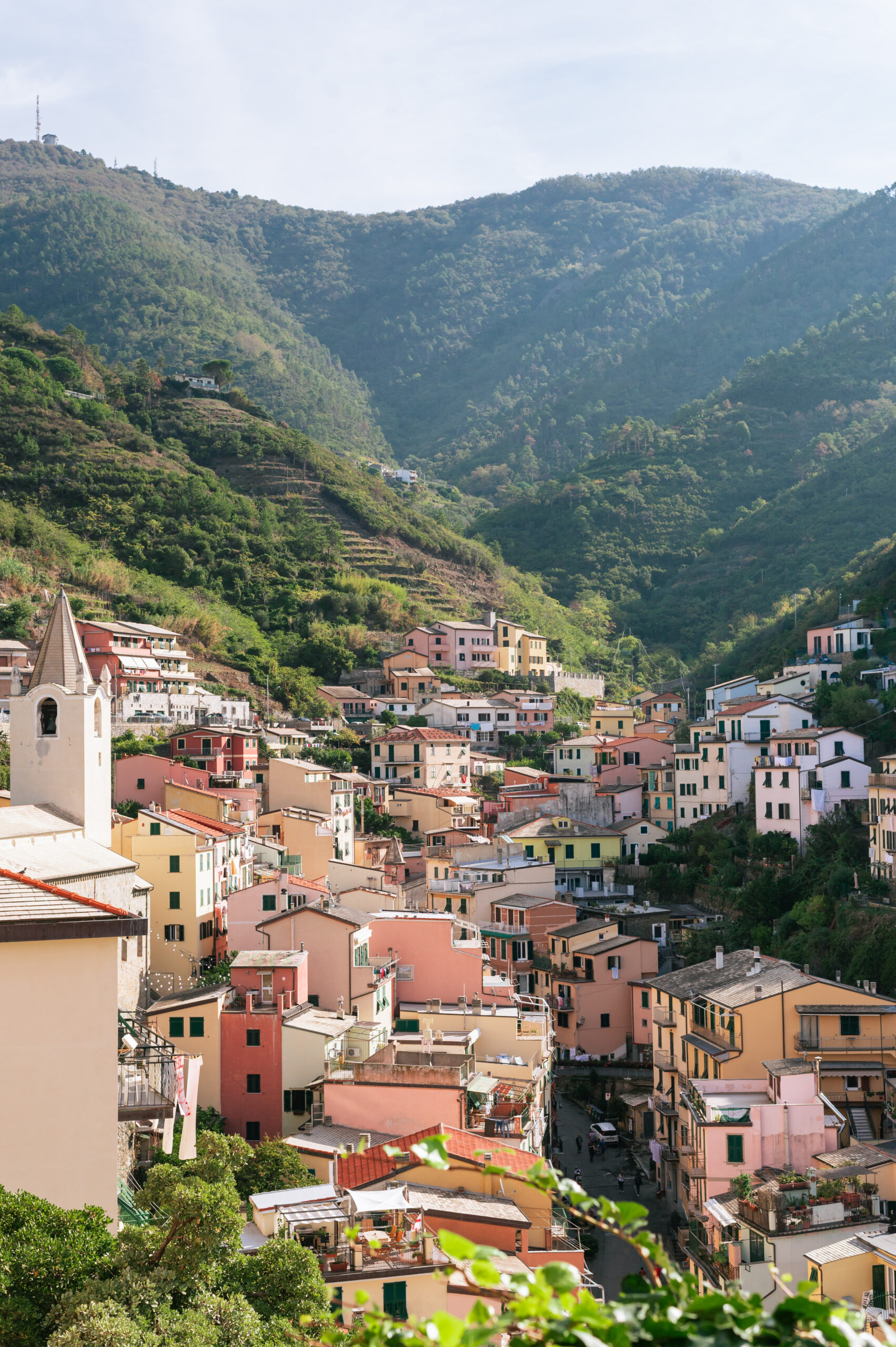
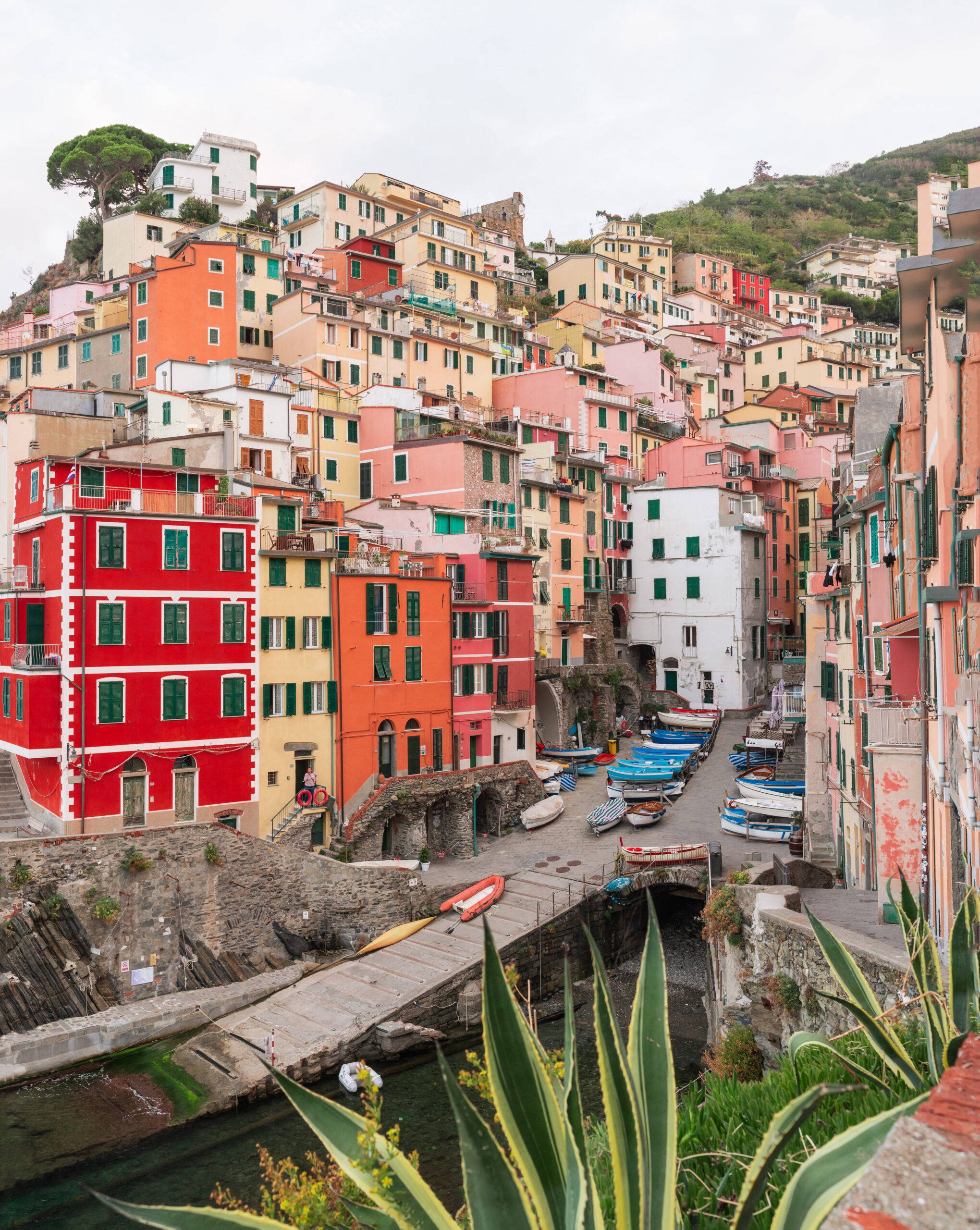
Cinque Terre is built for day trips. I mean, that’s whatg Tiktok and Instagram show you.
You can see ALL five villages in a few hours if you move quickly enough. Train in, stop in each town, take the photos, grab something quick to eat, move on.
It’s efficient. It’s also painfully surface-level.
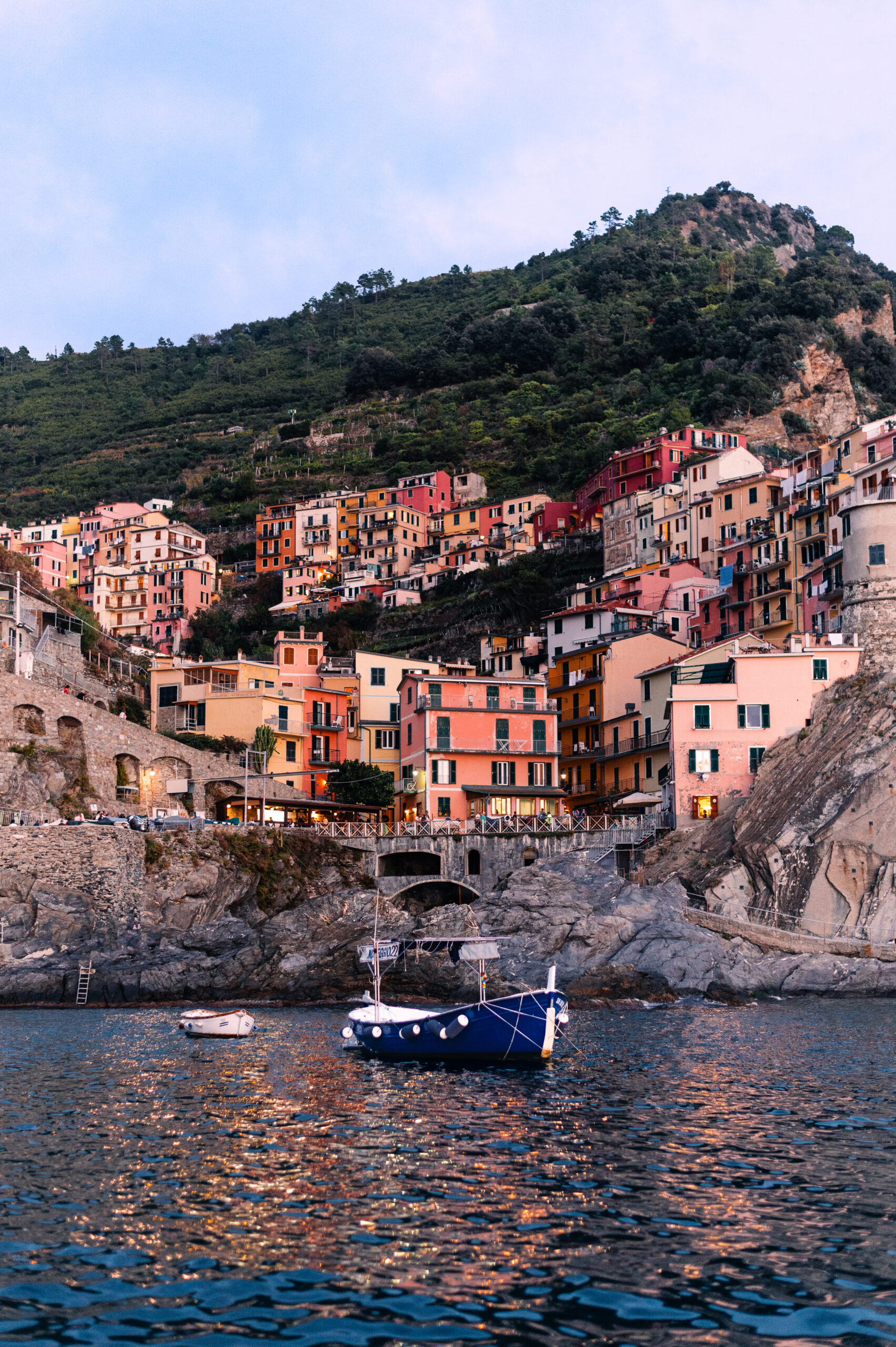
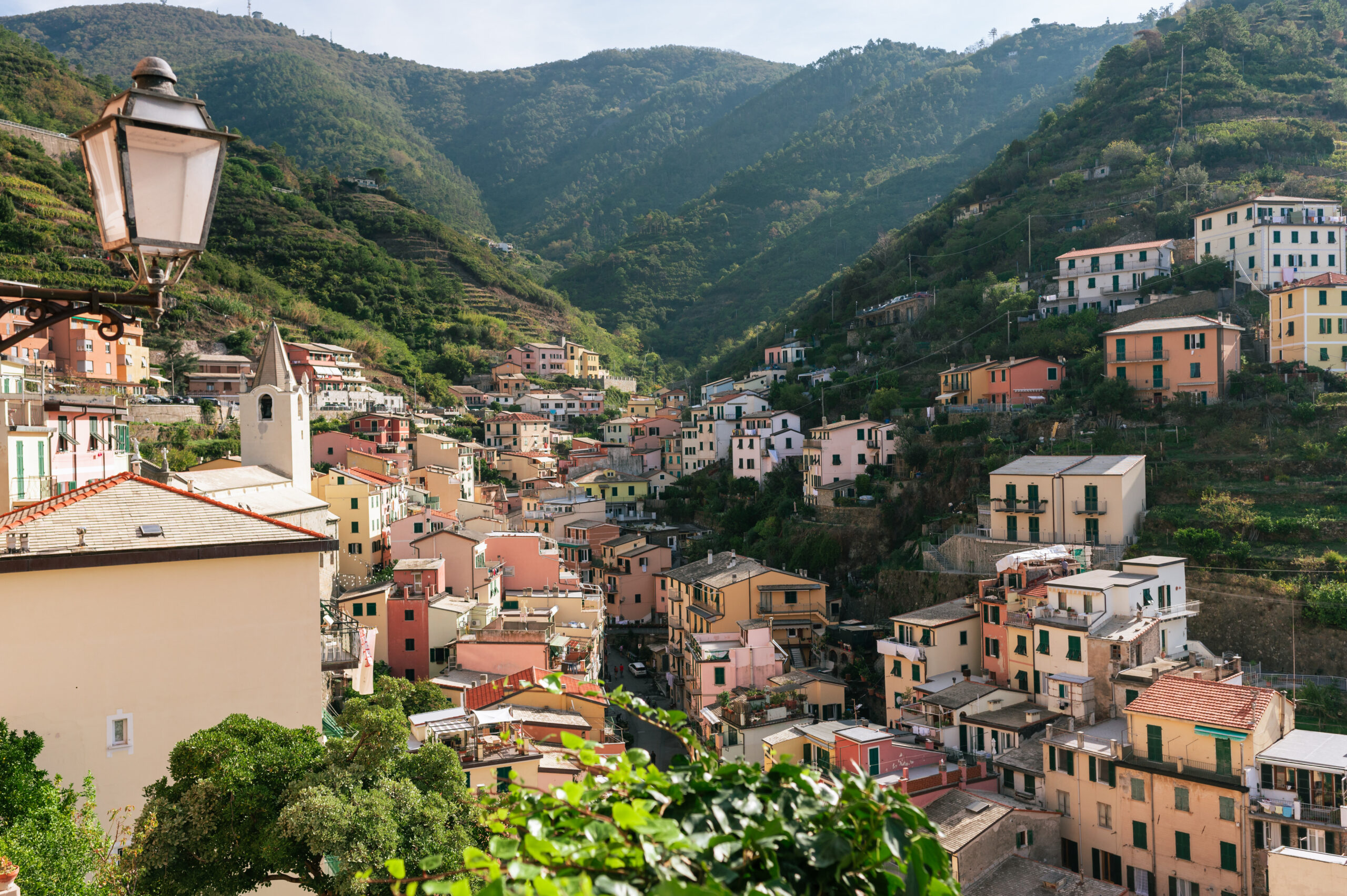
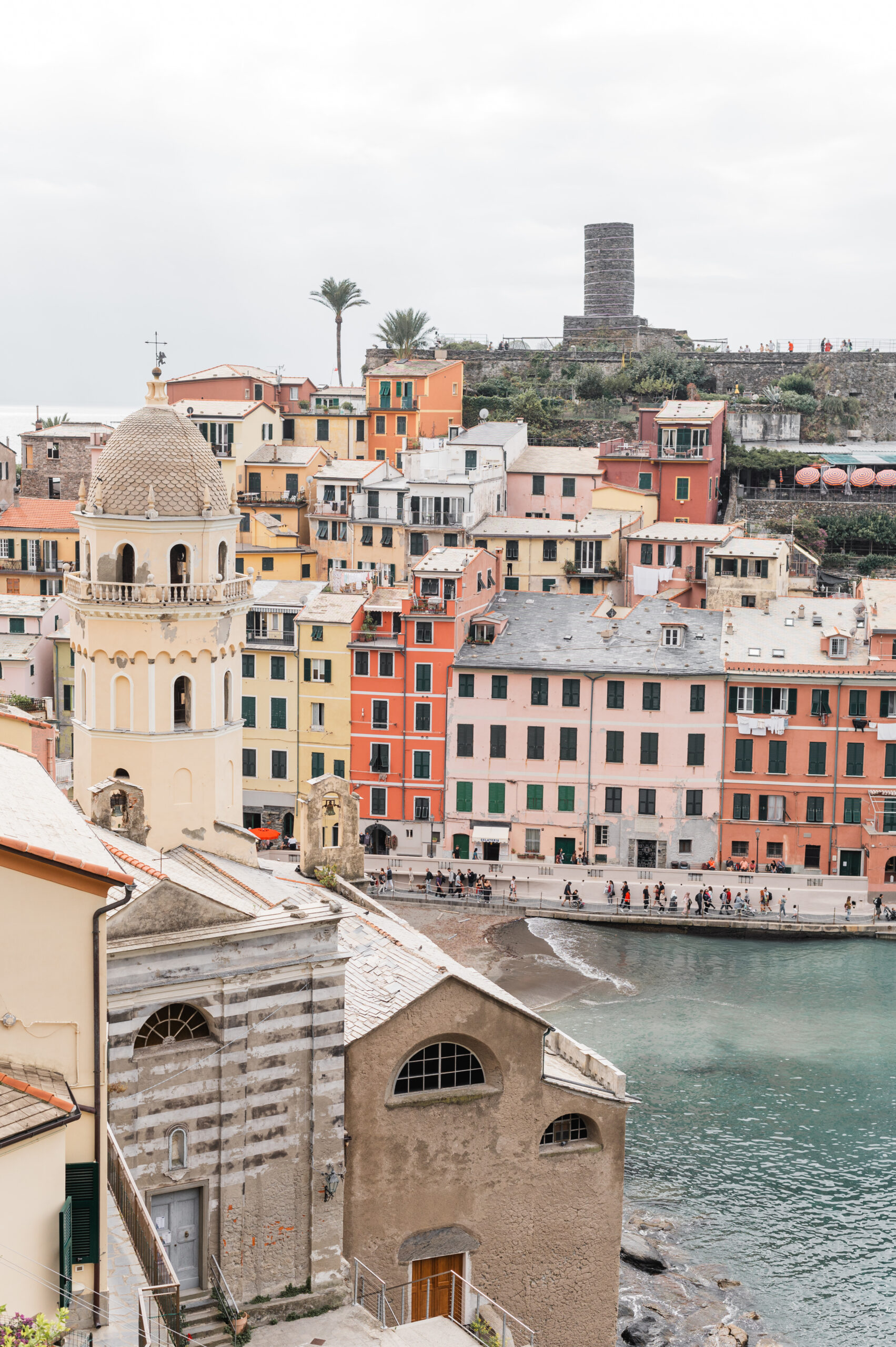
What you’re experiencing in that version of the day is a place at its busiest, when everyone is there for the same reason: to take picturesque photos of the colourful homes and eat some pizza while sipping an aperol spritz.
But damn, this place deserves so much more than a few rushed hours to take your pics and head onto your next spot on your italian itinerary.
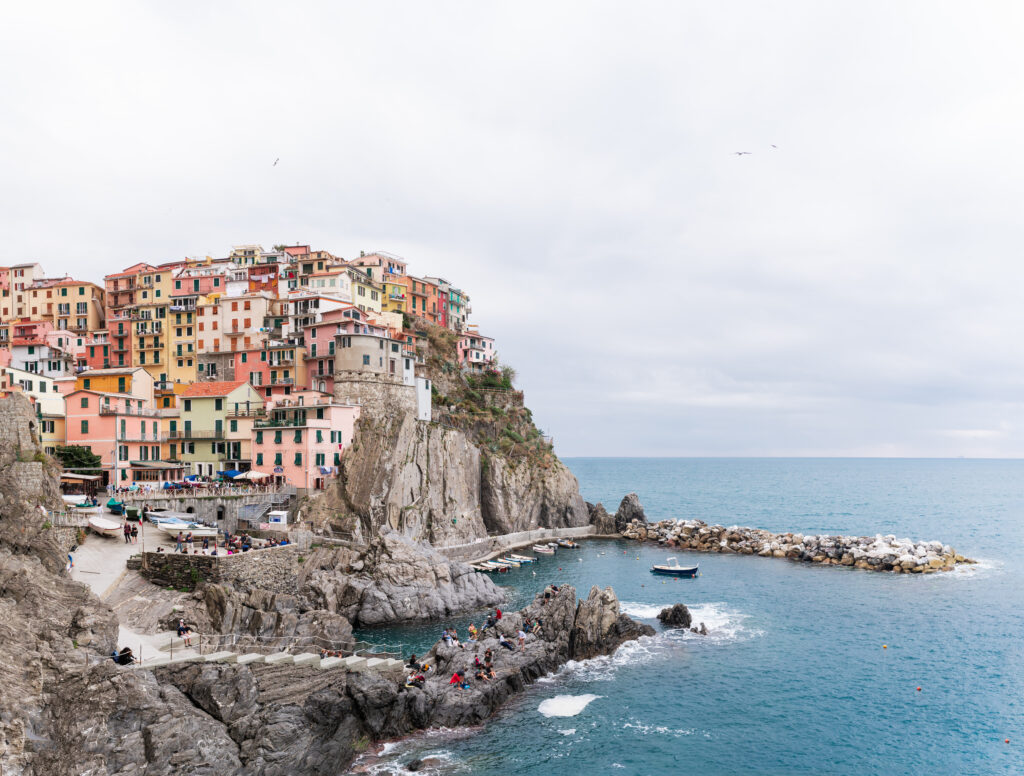
What Changes When You Stay
Around three or four in the afternoon, the train platforms start looking less chaotic. The lines for gelato shorten. The tour groups that spent the day hopping between all five villages begin making their way back toward La Spezia, Florence, or wherever they’re staying.
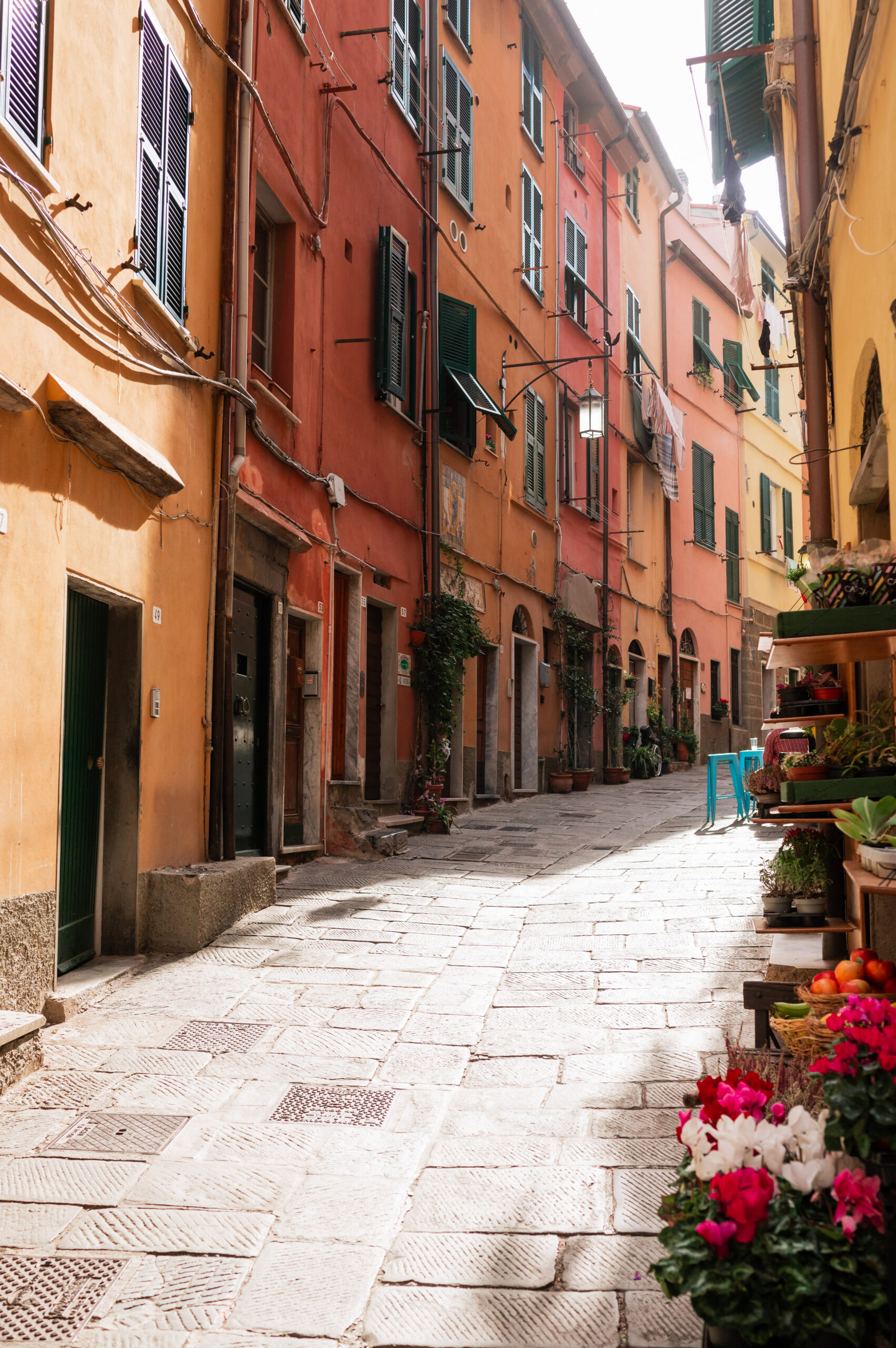
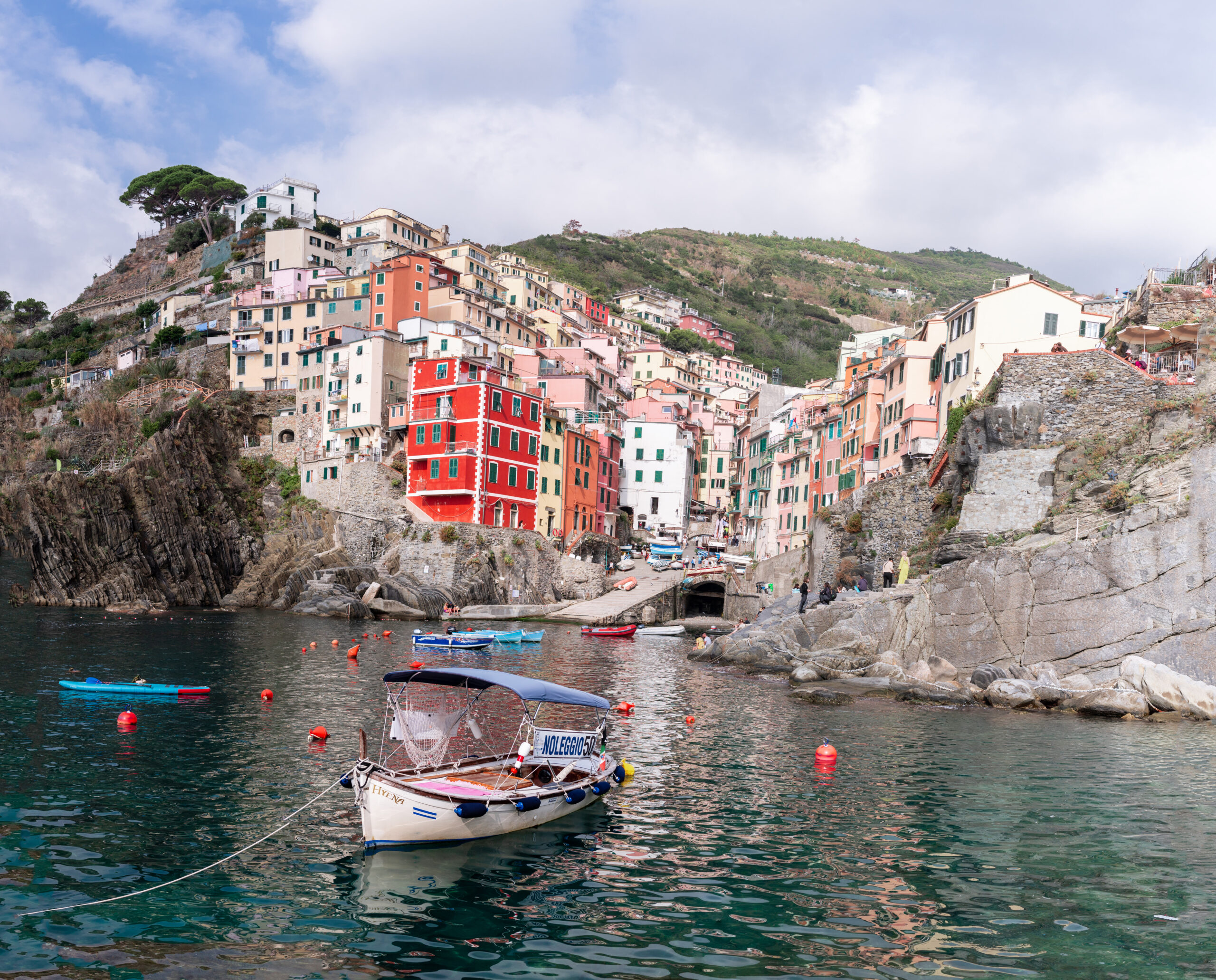
By dinner, Riomaggiore feels like a different place. You can actually get a table without hovering awkwardly behind someone’s chair. The narrow streets that felt shoulder-to-shoulder at noon open up enough to wander without constantly stepping aside for another group. Shop owners have time to chat. Restaurant staff aren’t rushing through every interaction because they have another hundred people waiting.
The light helps too.
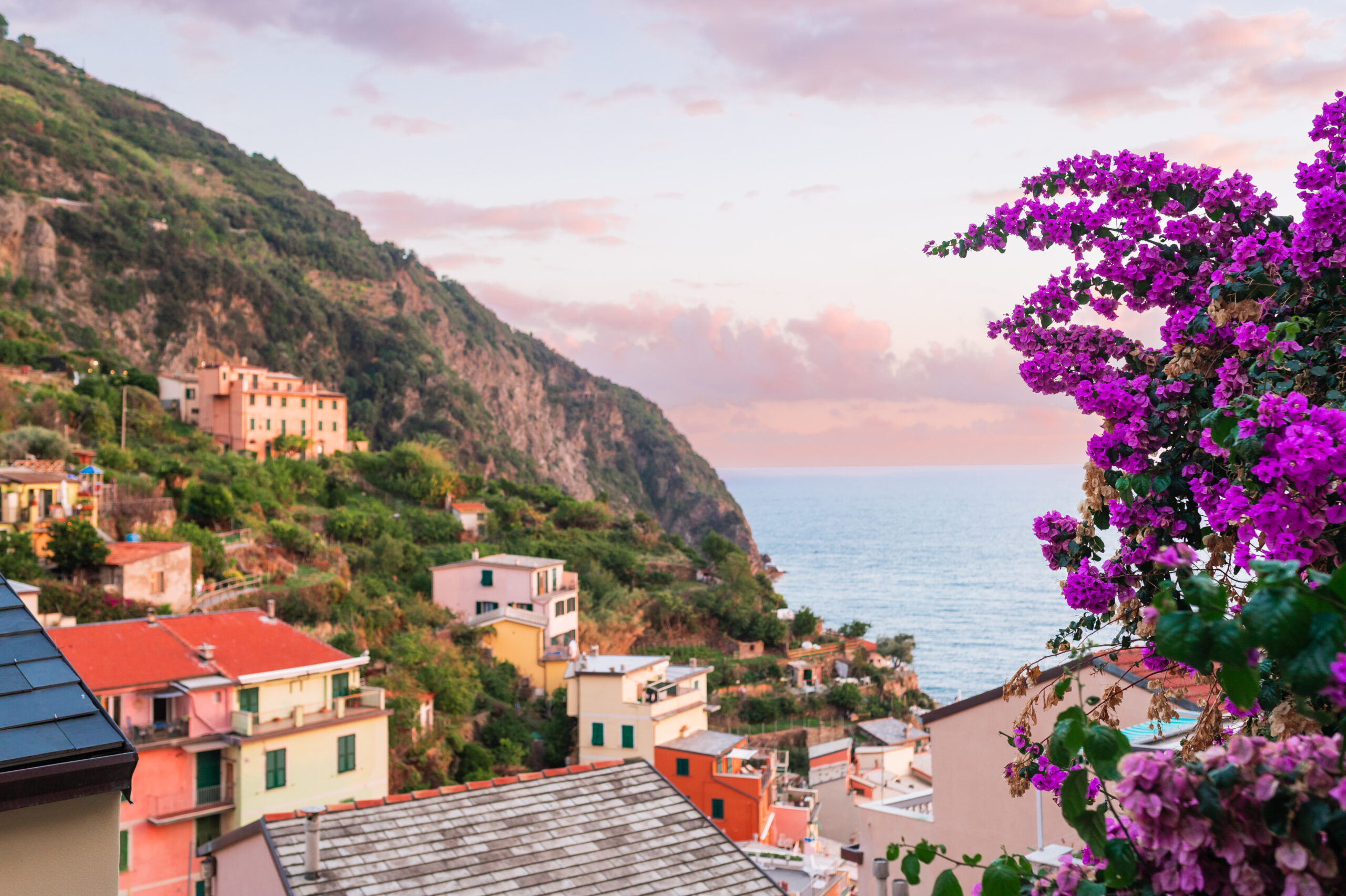
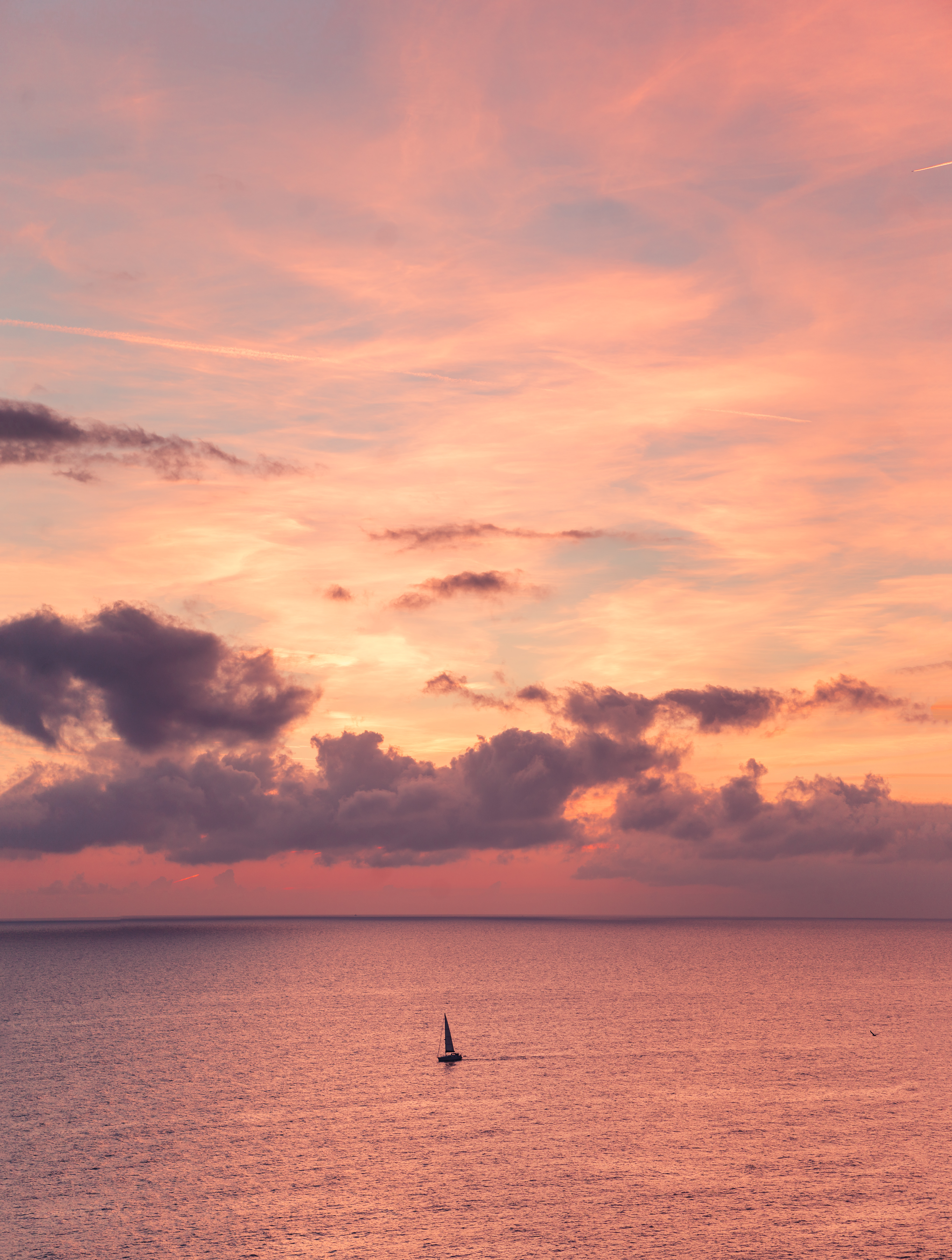
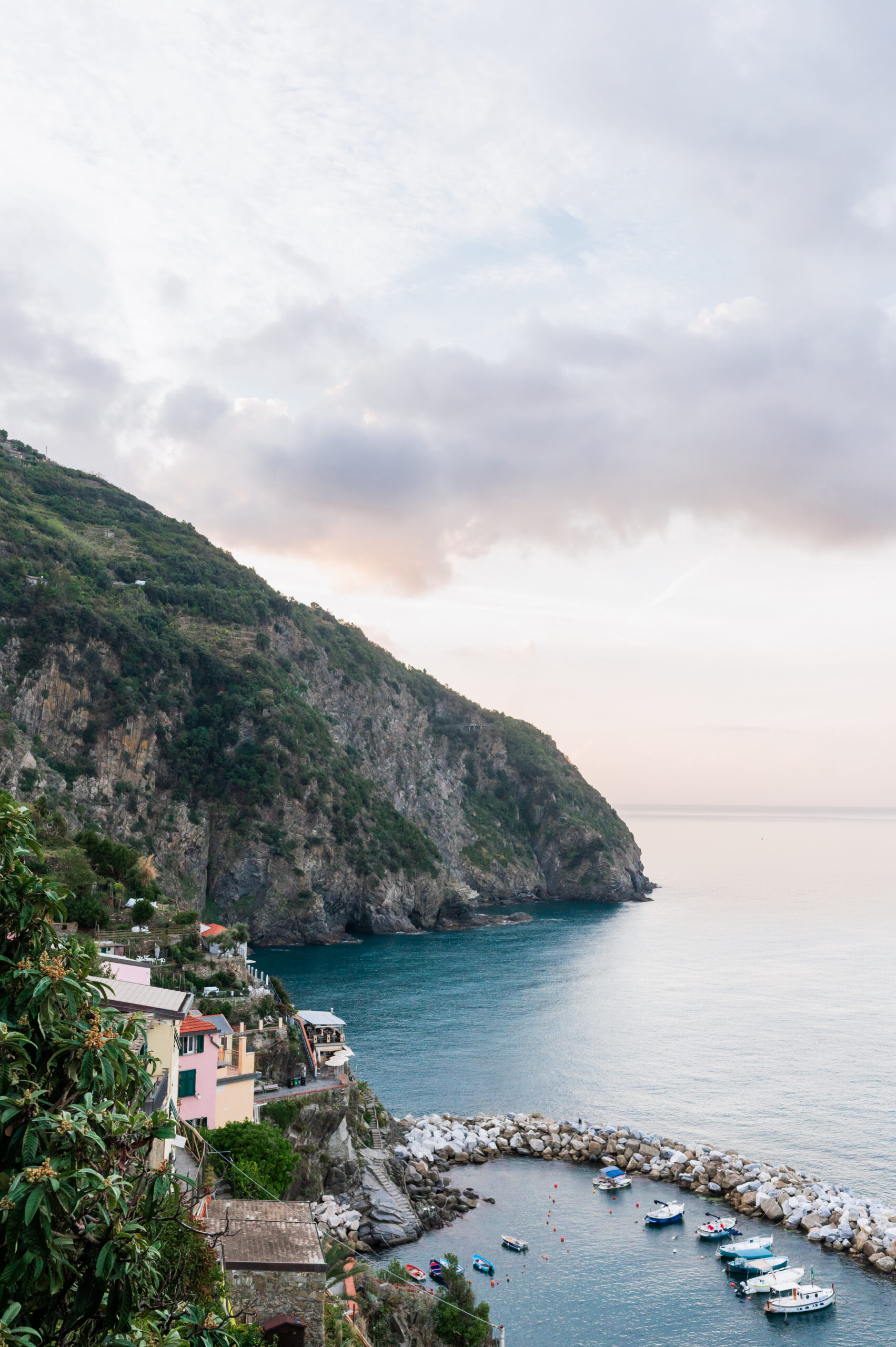
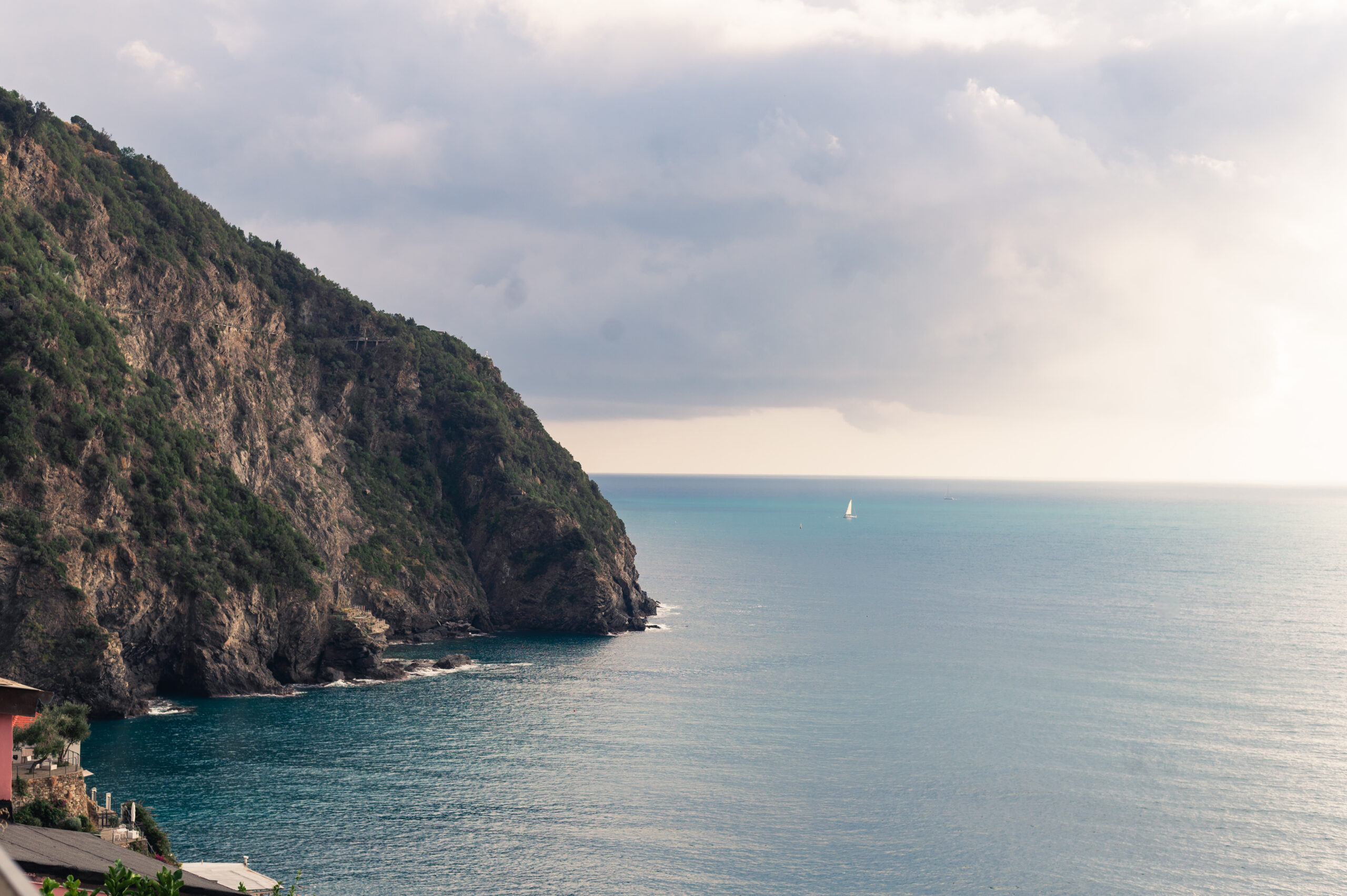
Cinque Terre faces west, and as the sun drops lower the harsh midday glare gives way to that golden Ligurian light everyone comes here hoping to photograph. The colourful buildings stop looking washed out and start glowing. The harbour quiets down. People linger over aperitivos instead of racing for the next train.
Most importantly, you stop treating the villages like attractions and start experiencing them as places where people actually live. Don;t get me started on the quiet mornings before the dau trippers get there either. Fresh bread, delicious breakfasts, the harbour waking up and locals chatting happily over coffee.
That’s the version of Cinque Terre I fell in love with.
The People You Don’t Meet on a Day Trip
I didn’t meet the baker until my second morning. She had a small shop tucked into one of the quieter streets in Riomaggiore, the kind of place you wouldn’t notice if you were rushing through with a train schedule in mind.
I walked in looking for breas and some tomatoes. You know, the essentials.
She was thrilled to chat but didn’t have amy bread left to sell. She’d sold out the day beofre. I told her it was no problem, but she told me to wait right I was and then rushed to her home above the shop. Then, gave me a fresh laof from her personal stash, along with totatoes picked from her garden and a generous amount of basil —handing it all over like it was nothing, like adding something fresh to breakfast was just a given. She insisted I didn’t pay.
It was a small, generous exchange that would’ve been easy to miss entirely if I hadn’t been there long enough to return.
Obviously, I slipped some cash onto the counter while she was distracted, and I heard about it for the rest of my stay because, in a village that small, you keep seeing everyone.
She started calling me stellina, which I later learned means “little star.” So naturally, I kept going back for her baked goods every morning, partly because they were delicious and partly because her cat would weave affectionately between my legs while she packed up whatever I’d pointed at that day.
Then there was the bar owner who lived below my Airbnb. I couldn’t avoid him, even if I tried. It turned out to be a fantastic thing though, he was such a kind gentleman.
His restaurant had music drifting up in the evenings. The low hum of conversation. Glasses clinking. That particular kind of energy that only builds in places where people actually stay long enough to settle in.
One night, he invited me inside and one drink turned into a few. A few drinks turned into conversation. At some point, I found myself dancing with his son, slightly off-balance, definitely a little tipsy, while he kept refilling glasses and intterupting his son to dance with me on the street, his steps much more practiced.
There was also an artist in Riomaggiore who ran one of the only galleries in the village.
We talked longer than I expected to. About his work, obviously. But also about staying in a place that most people pass through. About what it means to create something in a location that’s constantly being photographed by other people. How lonely it can get to meet others who admire a place, but never really take it in. His home is so often spoken about in veiled terms of travel hotspots, but never actually explored with gratitude and curiosity. I bought one of his paintings, part of my tradition of bringing art home from everywhere I go, but also to remeber the man I met.
The Rhythm You Don’t See in a Few Hours
Cinque Terre isn’t just a series of viewpoints. It’s a rhythm I can’t quite but words to.
Morning coffee before the first trains arrive. Midday slowdowns when the heat settles in. The clink of rocks as the tide moves in and out. Kids daring eachother tojump in the water from higher and higher grounds. Evenings that stretch longer than planned because there’s nowhere else you need to be.
The hiking trails feel different when you’re not trying to squeeze them between train times.
The meals feel different when you’re not rushing through them to get to the next village.
Even the act of wandering feels different when it’s not tied to a list.
You notice things you wouldn’t otherwise: the way laundry hangs between buildings. The small shifts in architecture between villages. The way certain corners hold light longer than others. The cats lazing in the sun and the smell of garlic lingering in the air.
Why Cinque Terre Is Worth Returning To
There’s a reason places like this become clichés.
It’s because most people experience them in the same limited way. Cinque Terre is crowded. It’s popular. It’s been photographed from every angle.
Despite that, it holds up. People keep coming back, and I don’t blame them. its beautful.
But, if you decide tostay even a couple of days, it stops being a postcard perfect spot for an afternoon drink.
It gets quieter. Slower. More magical. It’s all in the way you start recognizing faces. When a bakery visit turns into a habit instead of a stop. When a drink turns into a night you didn’t plan for.
That version doesn’t translate into a quick visit and a few photos dropped into a carousel post.
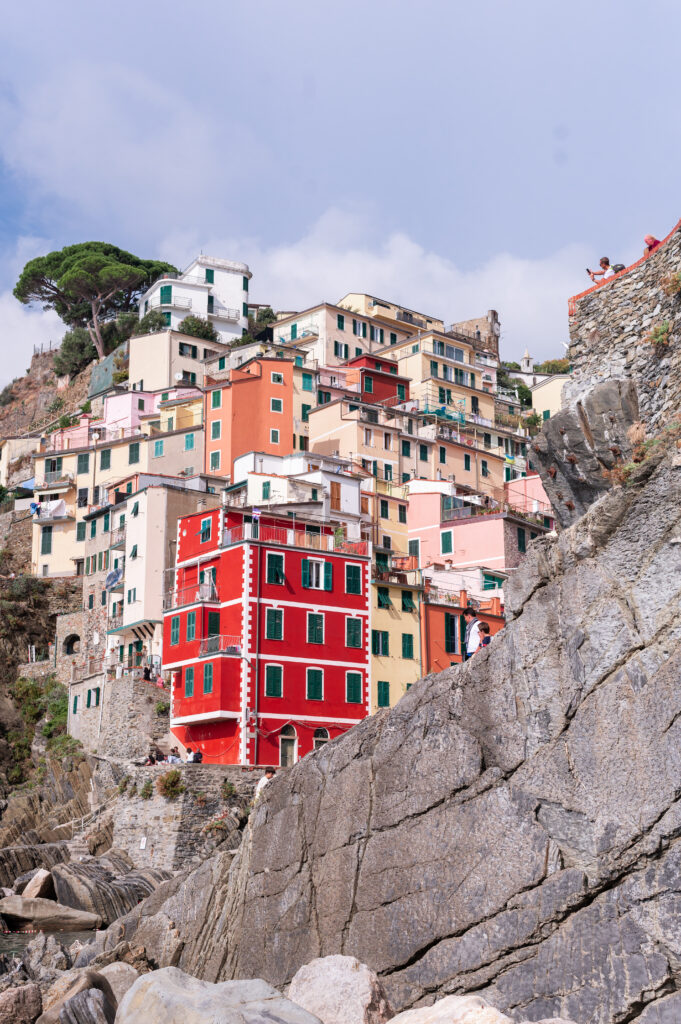
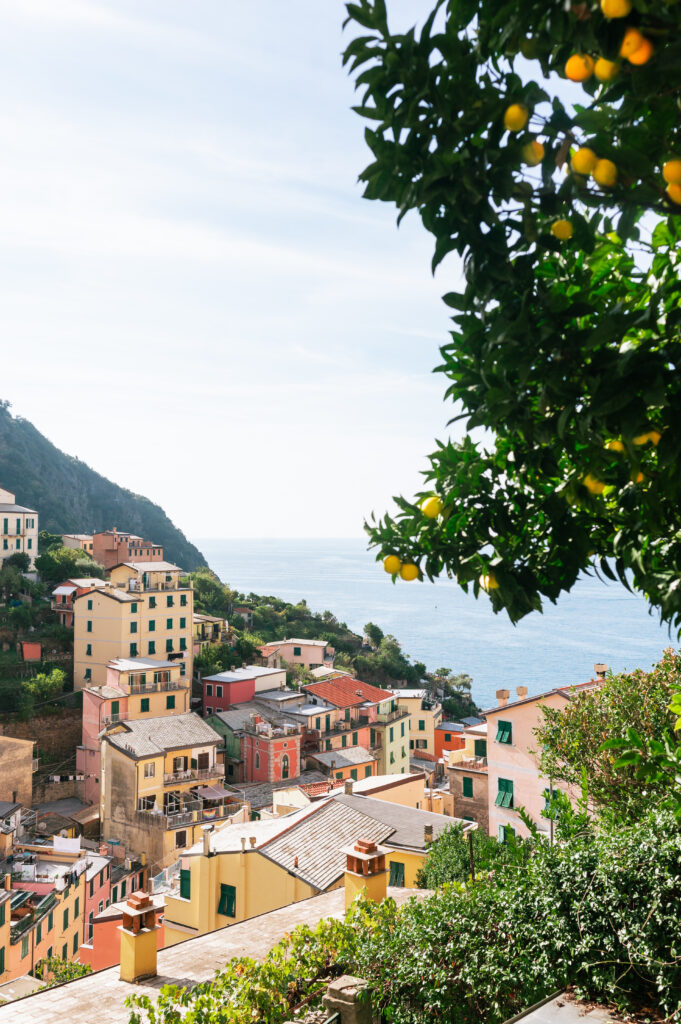
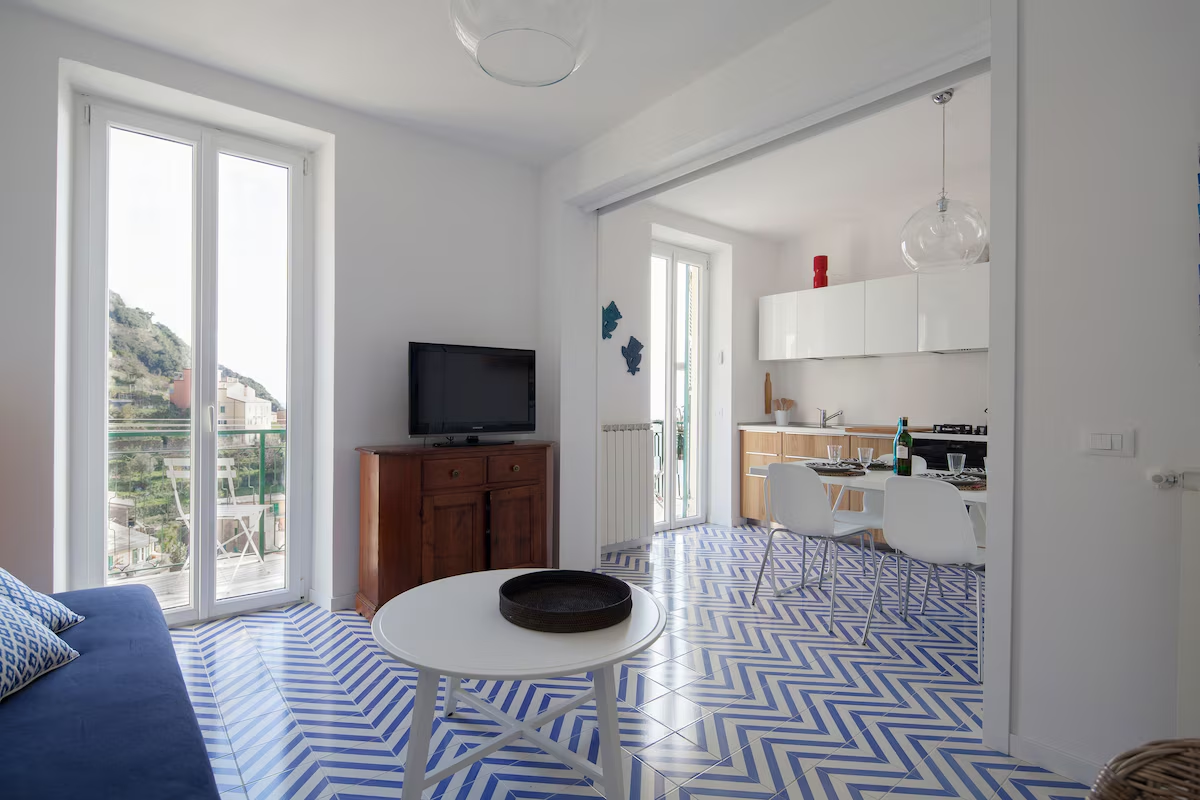
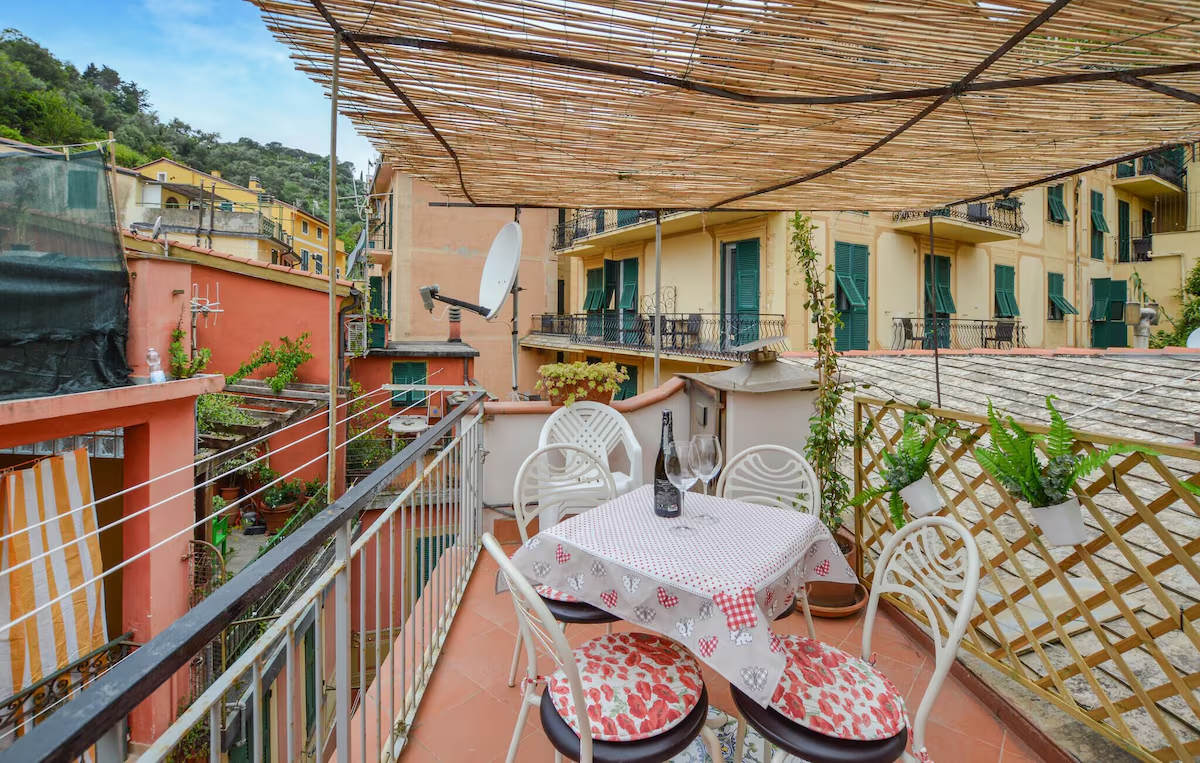
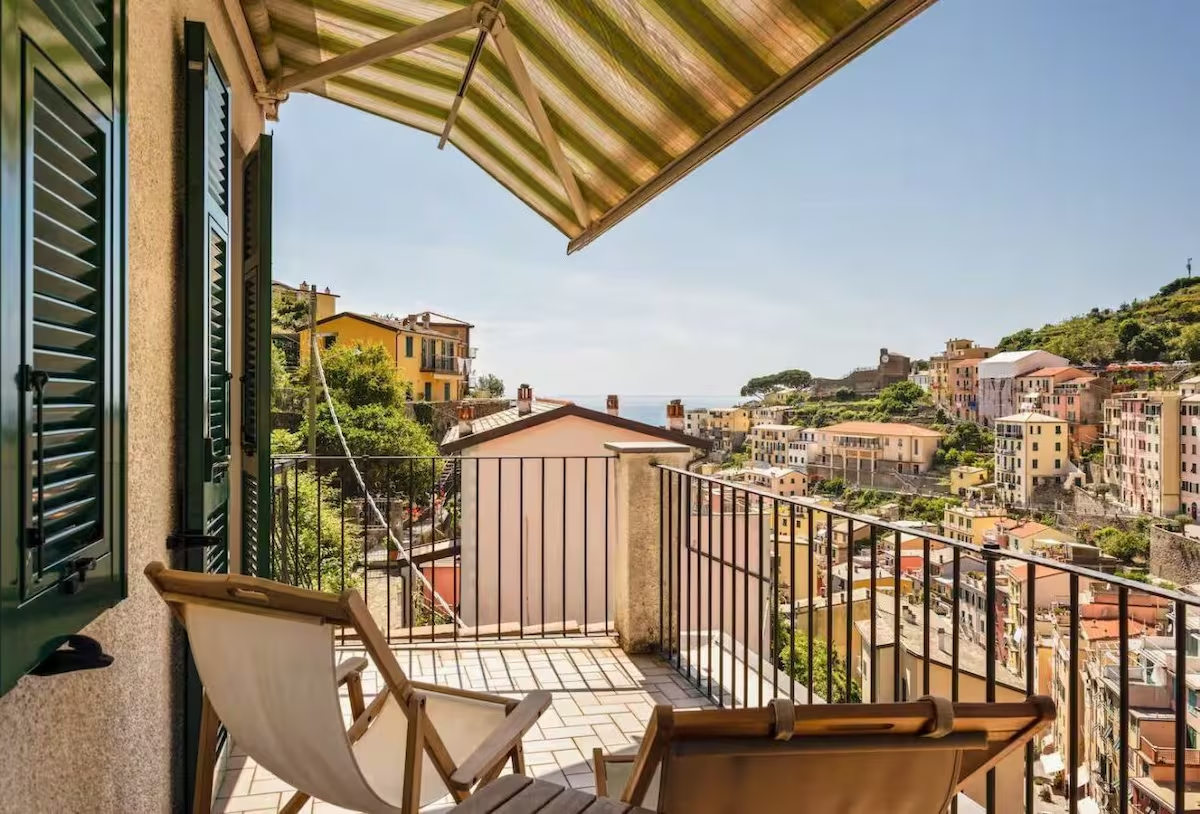
Where to stay in Cinque Terre
Staying within one of the villages for at least two or three nights lets you experience Cinque Terre before the first train arrives and after the last day-trippers leave, which is when the magic really happens.
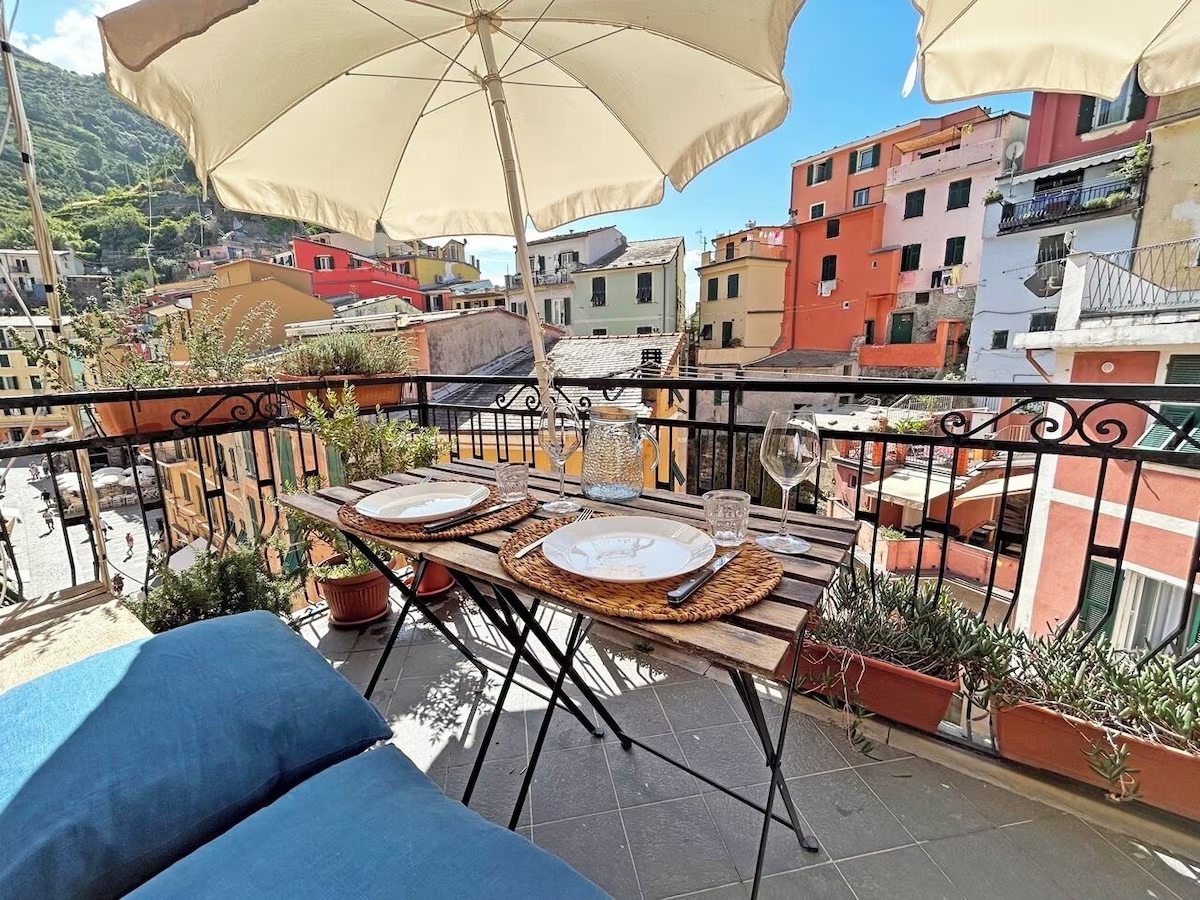
Diara, Vernazza
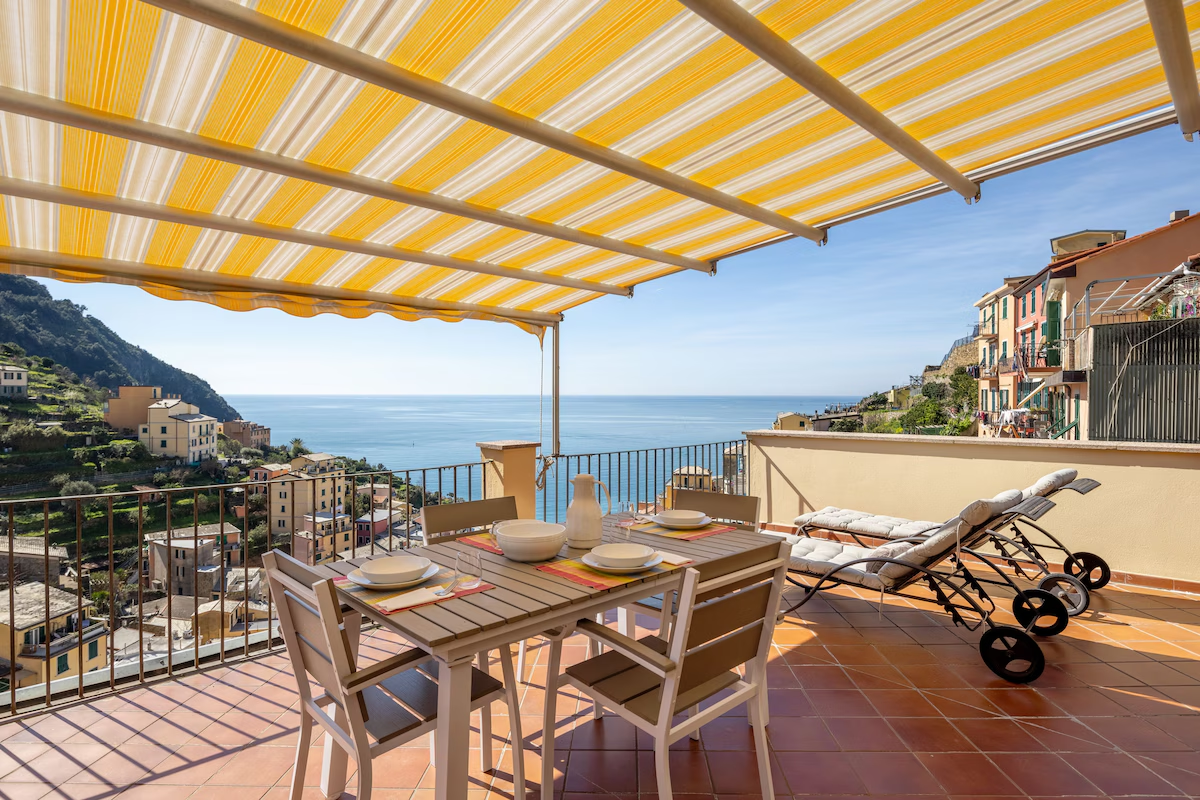
Ocean View Penthouse, Riomaggiore
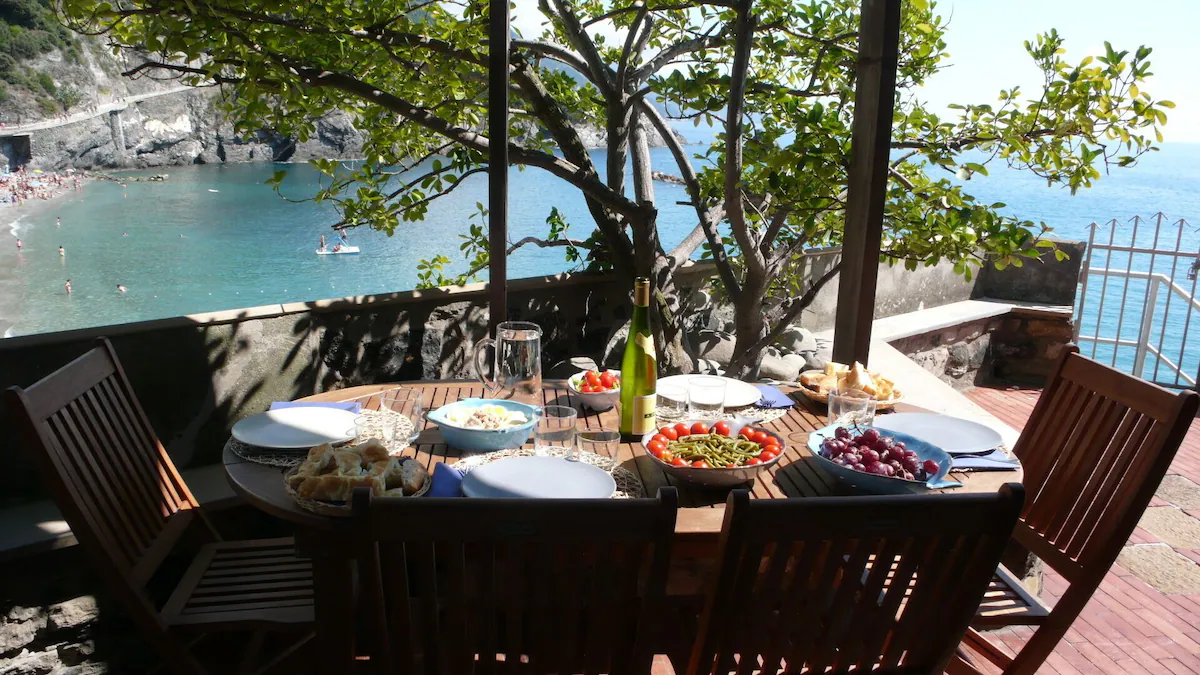
House Like A Boat, Monterosso
Activities & Tours in Cinque Terre
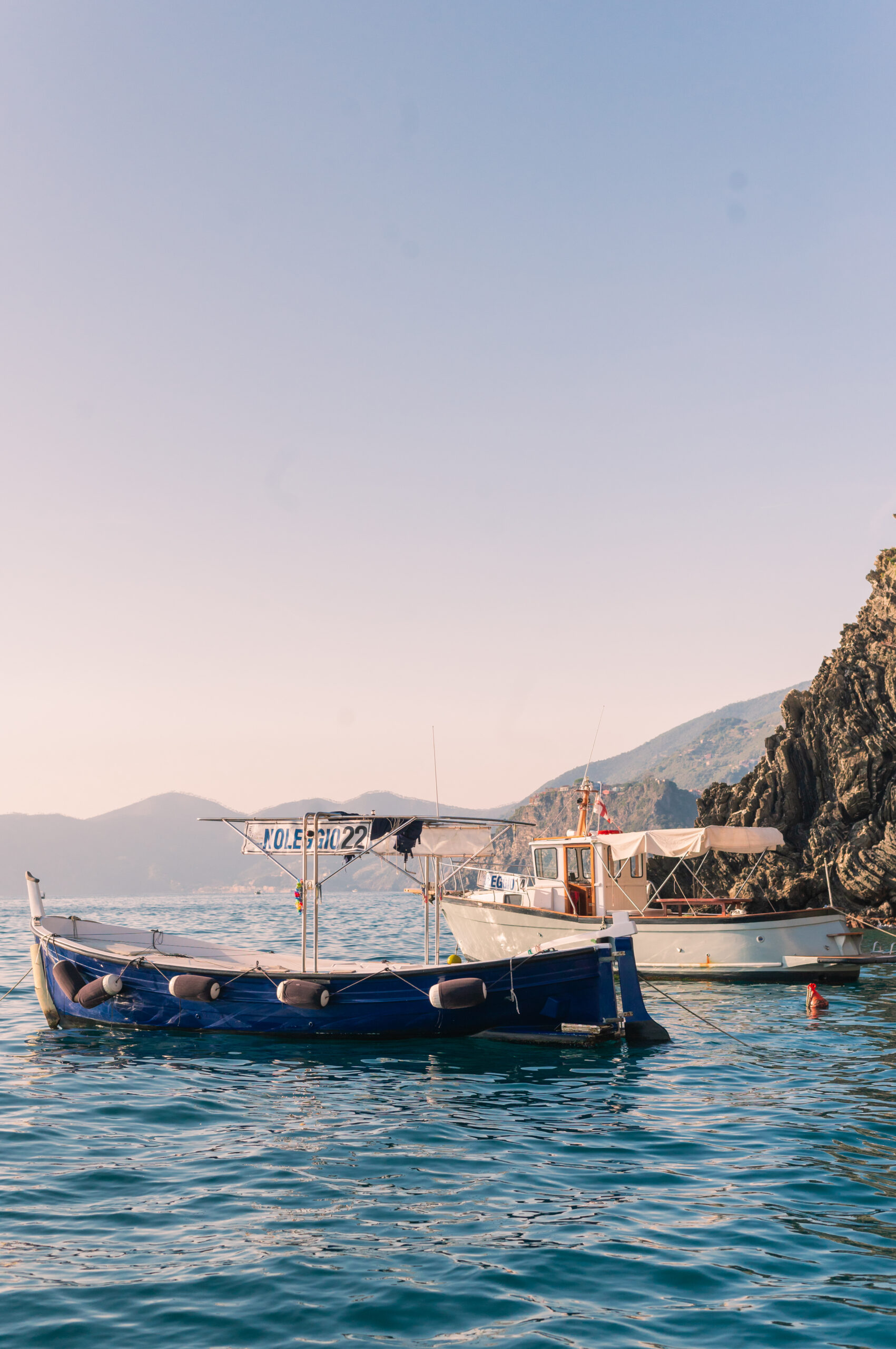
If you’re looking to fill your days with more than just wandering colourful streets and drinking Aperol Spritzes, these are some of the best tours and experiences available in Cinque Terre. From boat trips and cooking classes to guided hikes and wine tastings, there’s plenty to keep you busy.
Cinque Terre boat tour day or sunset with aperitif
Horse ride on the coast
Pesto Class and Wine Tasting
Marine Biology & Snorkelling Experience
vineyard tour & wine tasting
Oil Tasting, Wine & Focaccia
When I go back
I’d stay at least two or three nights. Honestly, I’d stay a week, again.
Not to collect all five villages like postcards, but to see them properly. I’d do every hike I could, especially since so many trails were closed from storm damage when I went. I’d eat my fill of pasta, linger over the same views at different times of day, and book the wine tours I skipped and still regret.
I’d build less into the schedule and leave more room for repetition. Go back to the same bakery. Drink at the same bar. Walk the same harbour at morning and sunset.
It’s the perfect place to experience dolce far niente, as the italians say.