G Adventures Morocco Review: What the Highlights of Morocco Tour Is Really Like
A personal review of the G Adventures: Highlights of Morocco tour, and why it became the trip that changed everything.
Disclaimer:
No one paid me to write this, and nothing on this trip was gifted or sponsored. I paid for everything myself because I wanted to go, and I’m sharing it simply because I loved the experience. That said, you’ll find a few affiliate links in here. If you decide to book through them, I may earn a small commission at no extra cost to you. Thanks for supporting the work that lets me keep creating stories and guides I actually believe in.
Some trips are vacations. This one wasn’t. Morocco felt more like stepping into a story I’d been circling my whole life; one I didn’t realize was waiting for me until I finally stood inside it.
The G Adventures Highlights of Morocco tour wasn’t just well-run or beautifully structured. It felt like a long exhale, a recalibration, an invitation into a country that lives and breathes its stories through food, textiles, desert wind, and the kind of hospitality that makes you rethink the way you move through the world.
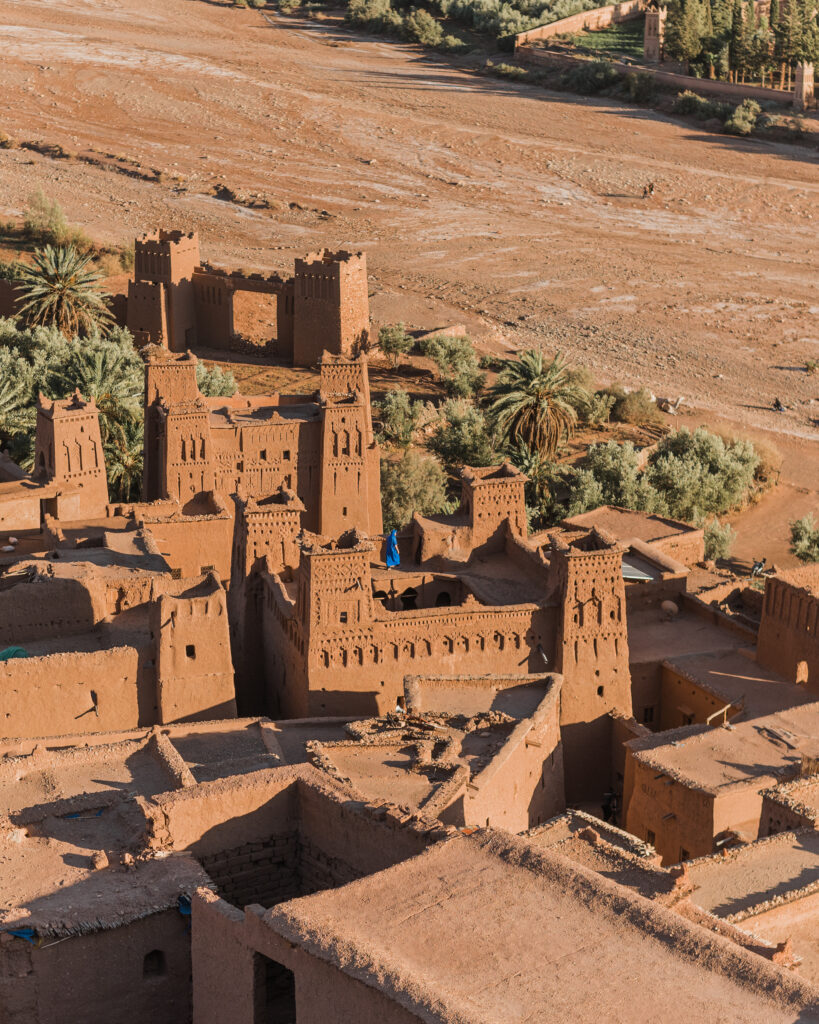
Why I Chose Highlights of Morocco
I’d wanted to visit Morocco since I was a kid. I grew up hearing stories from my best friend’s family. tWvwrything from Tte colours, the food, the pride, the music, the desert, the smells of mint and spices and sun-warmed stone intrigued me. I even built a project in 4th grade that focused on the country; when I was given a traditional Moroccan dress and slippers, I held onto them with so much pride, I still choke on the thought of it. It became a quiet dream to visit this place. I tucked it away for decades.
This tour felt like the safest, smartest way to experience the country:
• small-group
• culturally immersive
• photography-friendly
• led by local guides who actually live the stories they tell
It should also be noted that I booked this trip within weeks of a bad breakup from a decade-long relationship that had left my confidence shaken and my wallet freer than it had ever been.
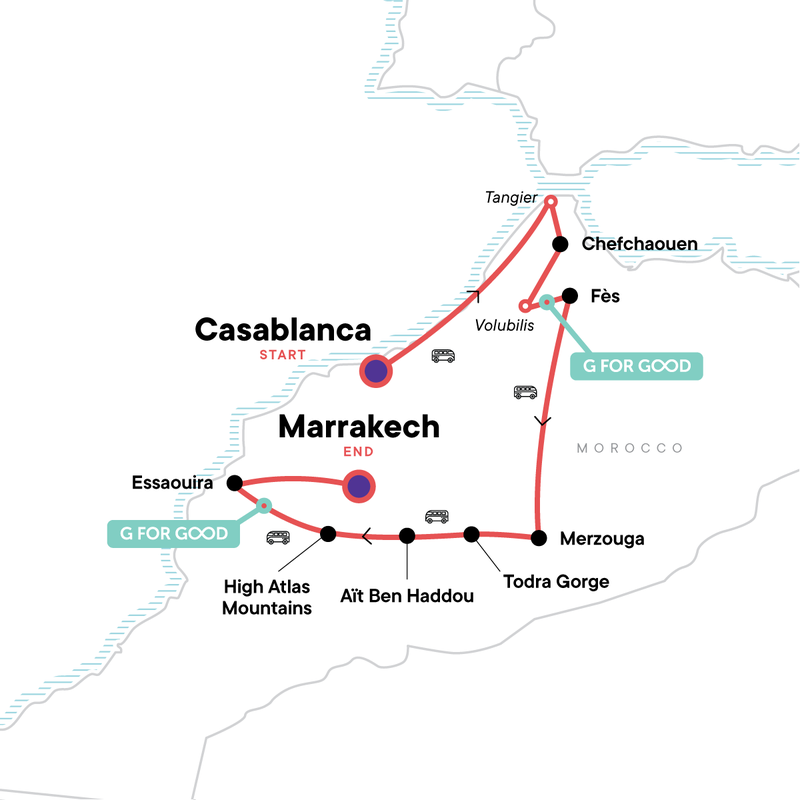
The Itinerary
Highlights of Morocco is is a 15 day tour through the beautiful noth-african country. You see everything from bustling cities to hidden gems and vast deserts. Throughout the entire trip, G Adventures prioritizes sustainable travel and local guides as well as specific stops they call G for good; places they include that are designed to work with local communities and non-profits in order to give back in a real way.
- Casablanca
- Tangier
- Chefchaouen
- Fès
- Merzouga
- Todra Gorge
- Aït Benhaddou
- High Atlas Mountains
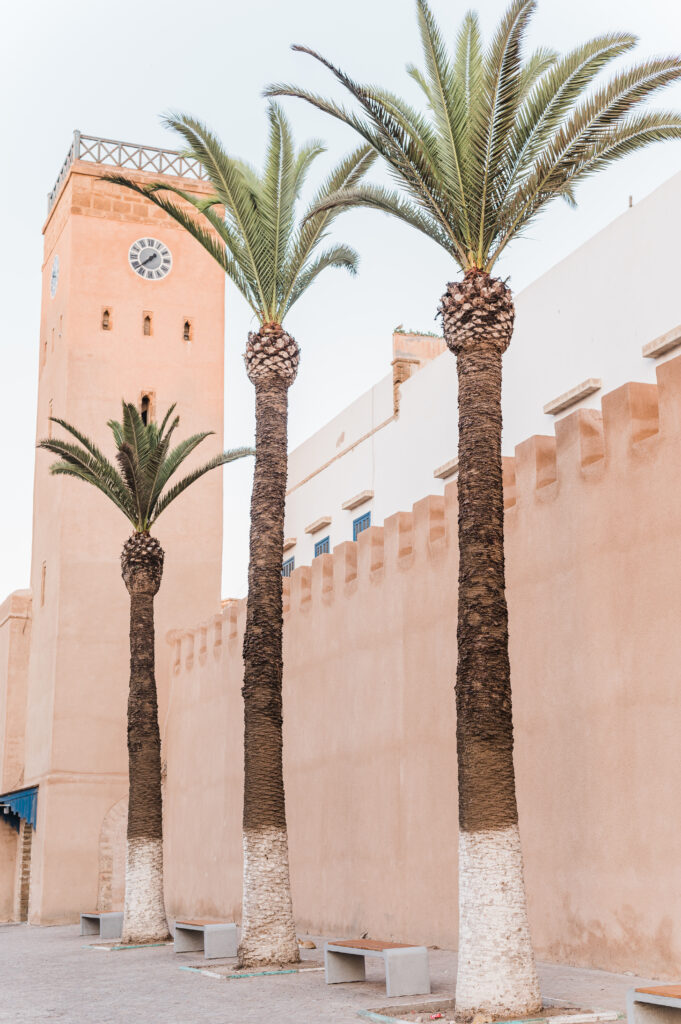
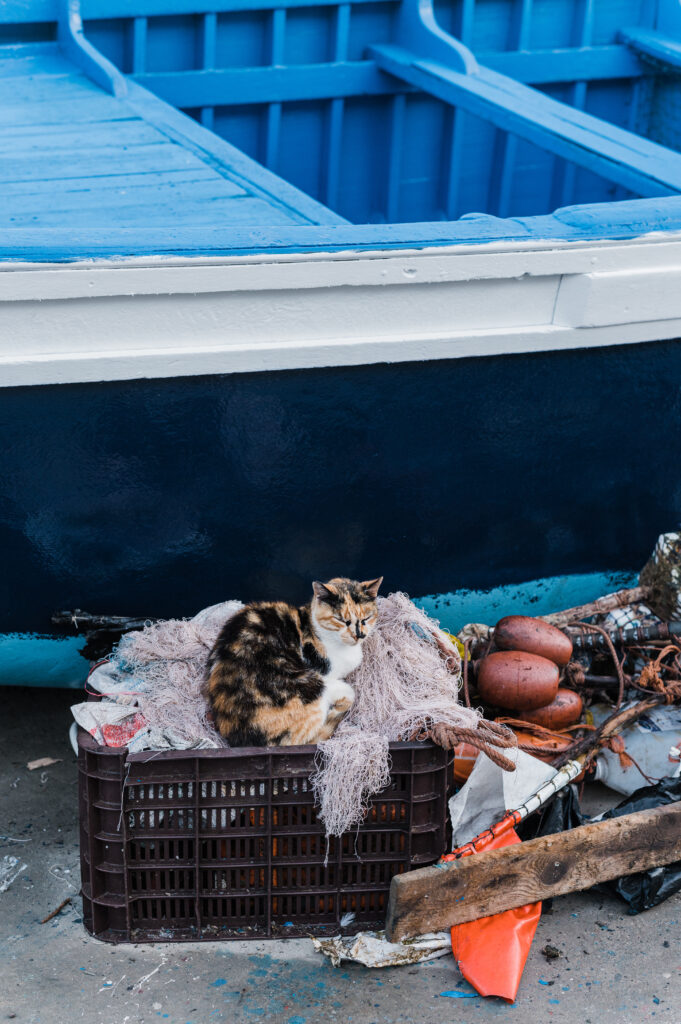
- Essaouira
- Marrakech
Morocco is not a country that eases you in gently.
It throws you headfirst into heat and noise and colour and movement. One moment you are weaving through alleyways heavy with spice and diesel fumes, and the next you are standing in complete silence beneath stars in the Sahara wondering how your life led you there.
What makes Highlights of Morocco work so well is not just the destinations themselves. It is the pacing. The contrast. The way G Adventures layers intensity with softness, history with humanity, and structure with enough freedom to let the country surprise you.
This itinerary does not feel like checking landmarks off a list; instead, it feels like being slowly introduced to the many versions of Morocco.
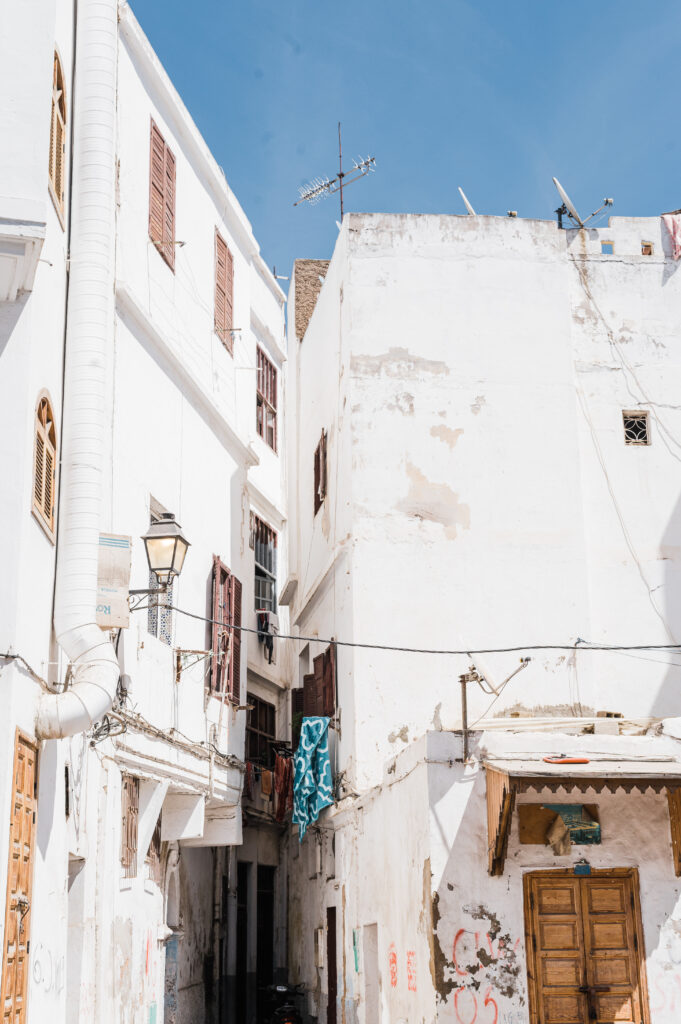
Casablanca → Tangier → Chefchaouen
Casablanca was overwhelming in the best and worst ways. Humid air clung to my skin before I had even left the airport. The streets felt chaotic and alive. Wealth and poverty existed side by side in ways that were impossible not to notice. It was not polished or curated for tourists. It was simply real.
There was no attempt to package Morocco into a neat, aesthetic version of itself. Instead, our guides helped contextualize it. They gave us history, nuance, safety tips, food recommendations, and enough freedom to begin exploring confidently without feeling abandoned in a country completely unfamiliar to most of us.
Tangier softened the edges a little after that.
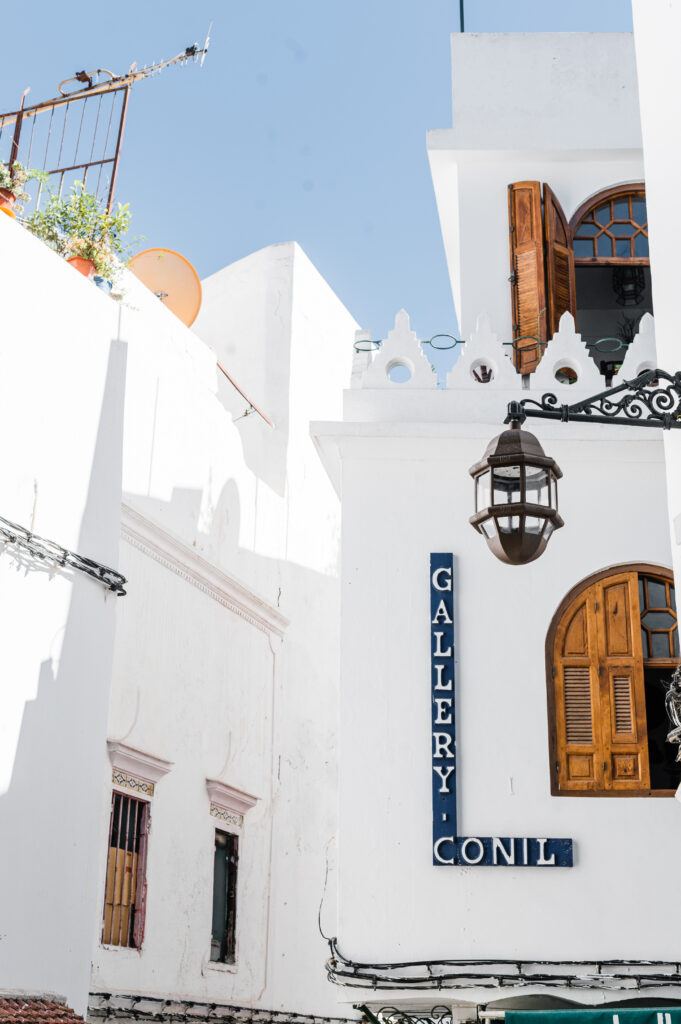
The city felt artistic and sun-washed, full of layered Mediterranean influences and stories about writers, musicians, and painters who had once fallen in love with it. Walking through the medina with a local guide changed the experience entirely. This did not feel like passive sightseeing. It felt like being shown a city by someone proud of it.
Then came Chefchaouen.
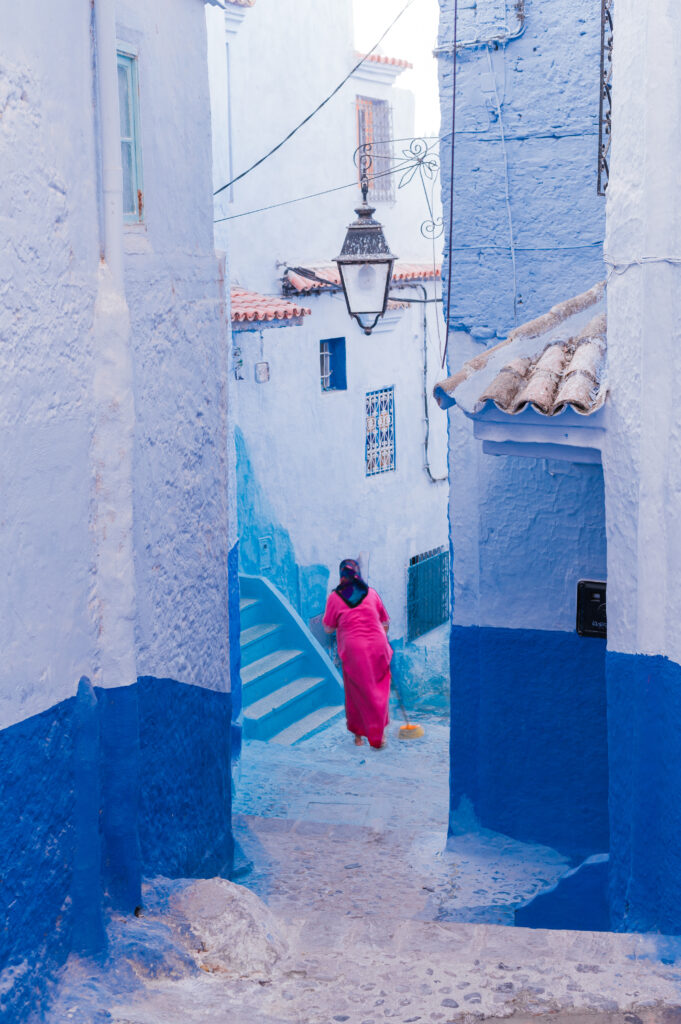
The Blue Pearl somehow manages to feel both wildly over-photographed and deeply personal at the same time. Yes, the blue streets are beautiful. But what stayed with me were the details in between:
fresh figs after a difficult mountain hike,
children laughing over dice games,
cats sleeping in patches of sunlight,
mint tea after hours in brutal humidity,
our guide steering us toward restaurants that were both safe and genuinely delicious instead of tourist traps.
The optional hike into the Rif Mountains ended up being one of the smartest parts of the itinerary for me. It shifted Chefchaouen from “beautiful place” into lived experience. We were not just photographing the city from below. We were sweating through its landscape, hearing stories about Amazigh and Arabic myths in the mountains, and eating lunch supplied by locals inviting us into their homes, overlooking the valley.
Fès → Volubilis → The Sahara
This is where the trip stopped feeling like a vacation. The route between Fès and Merzouga quietly became the emotional centre of the trip for me.
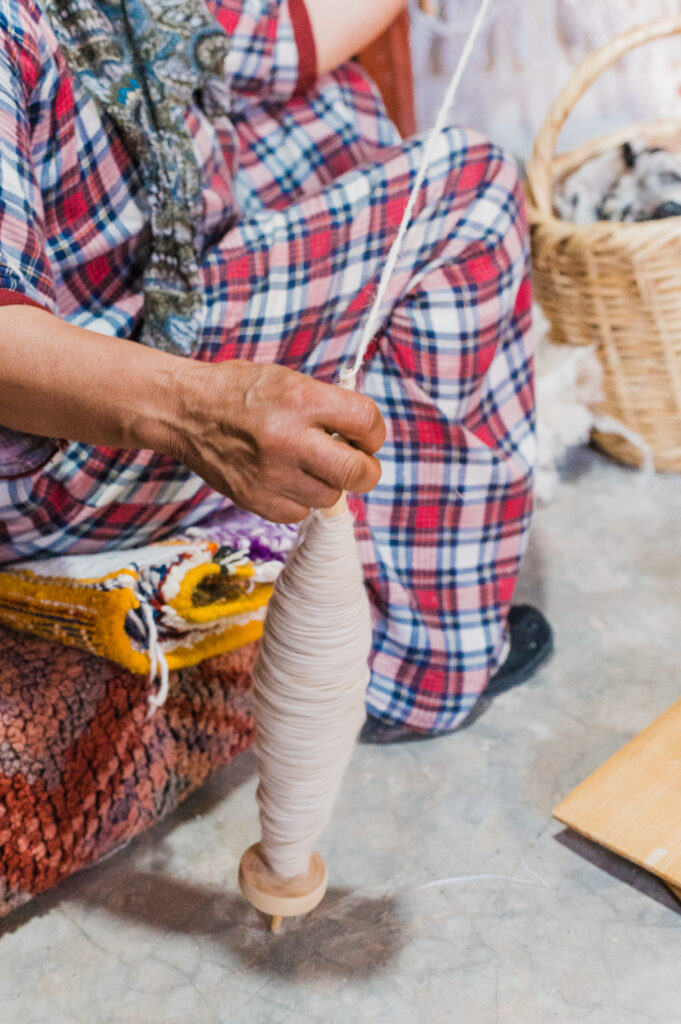
One day we were standing among Roman ruins in Volubilis learning about empires that once stretched across North Africa. The next, we were welcomed into Amazigh homes by women preserving traditions through weaving, storytelling, and ritual.
This is where I started noticing what G Adventures does particularly well: they build itineraries around people, not just monuments.
The “G for Good” experiences never felt performative or staged for tourists. We were not shuffled through communities for photo opportunities. We were welcomed into spaces connected directly to local livelihoods, education initiatives, women’s cooperatives, and cultural preservation.
That distinction is really important.
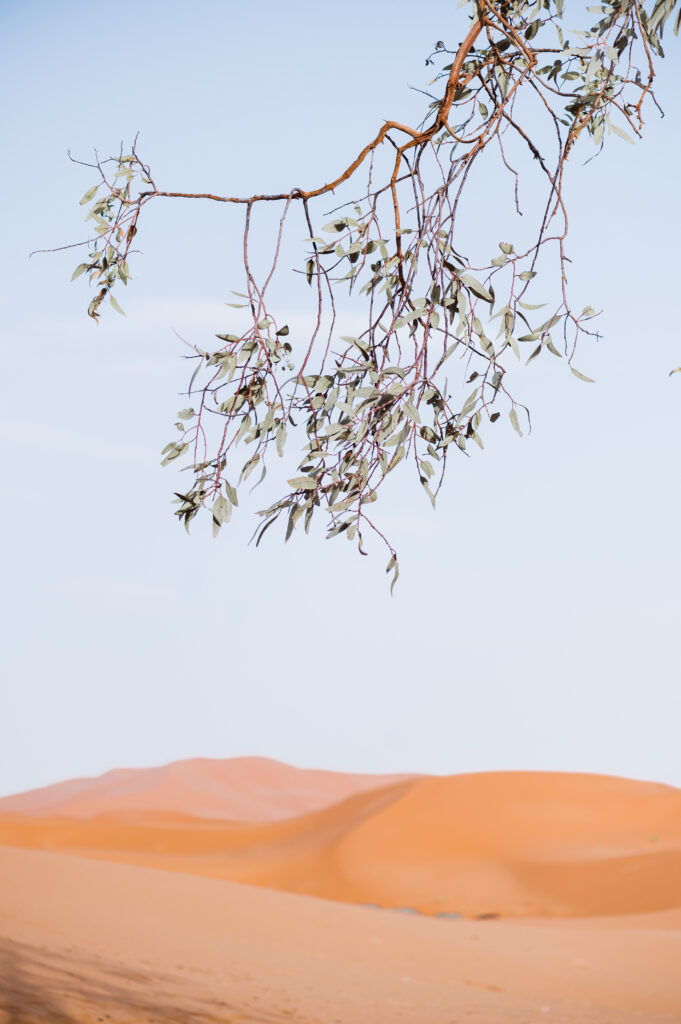
In the Sahara especially, the experience became deeply human. The dunes themselves were breathtaking, of course. The moments I still think about are smaller: a toddler wandering curiously through the desert while his family served us Amazigh pizza,
learning how traditional lben is made using a suspended goatskin pouch, local musicians playing while we drank mint tea together,
our guide wrapping our scarves properly against the sand and laughing at our terrible attempts to do it ourselves.
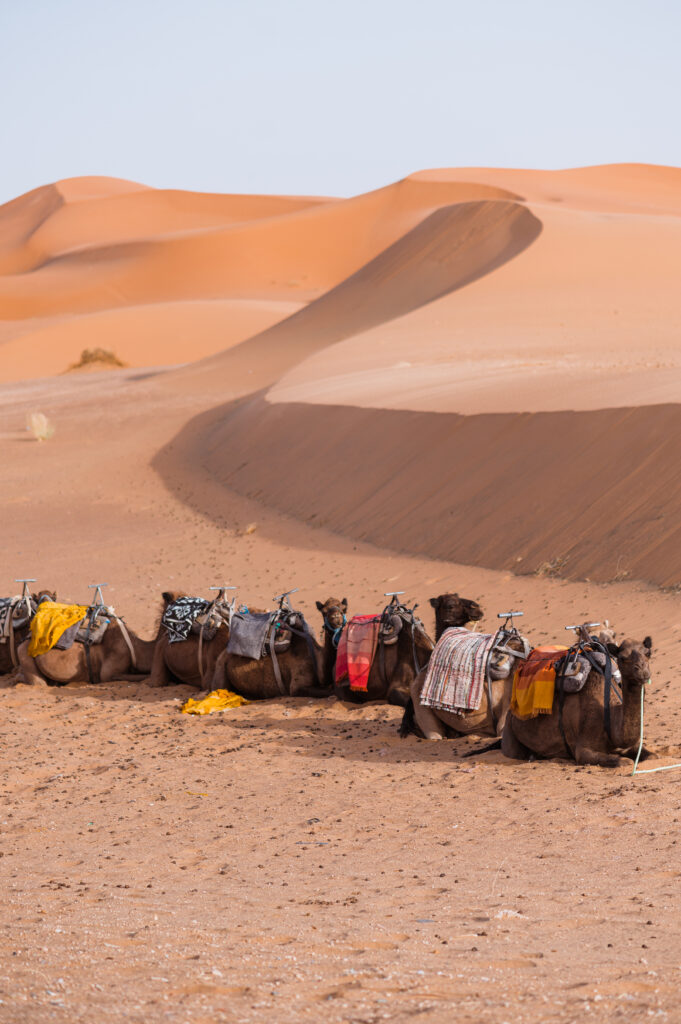
The camel ride at sunset. That was the moment everything cracked open for me emotionally. Not because it was luxurious or cinematic, though it certainly felt both of those things, but because it fulfilled a promise I had carried since childhood. I had dreamed about Morocco for decades after hearing stories from my best friend’s Moroccan family growing up. Sitting atop a camel while the Sahara turned gold around me felt less like tourism (though it’s arguable the most tourist-y thing you could do in the country) and more like closing a circle I had been carrying most of my life. It’s also worth noting that the trust I had that our animals were treated fairly and never overworked as part of G Adventure’s policies made the moment so much better.
Todra Gorge → Aït Benhaddou → High Atlas Mountains
One of the smartest things about this route is that it understands emotional pacing.
After the intensity of the desert, the itinerary deliberately slows down.
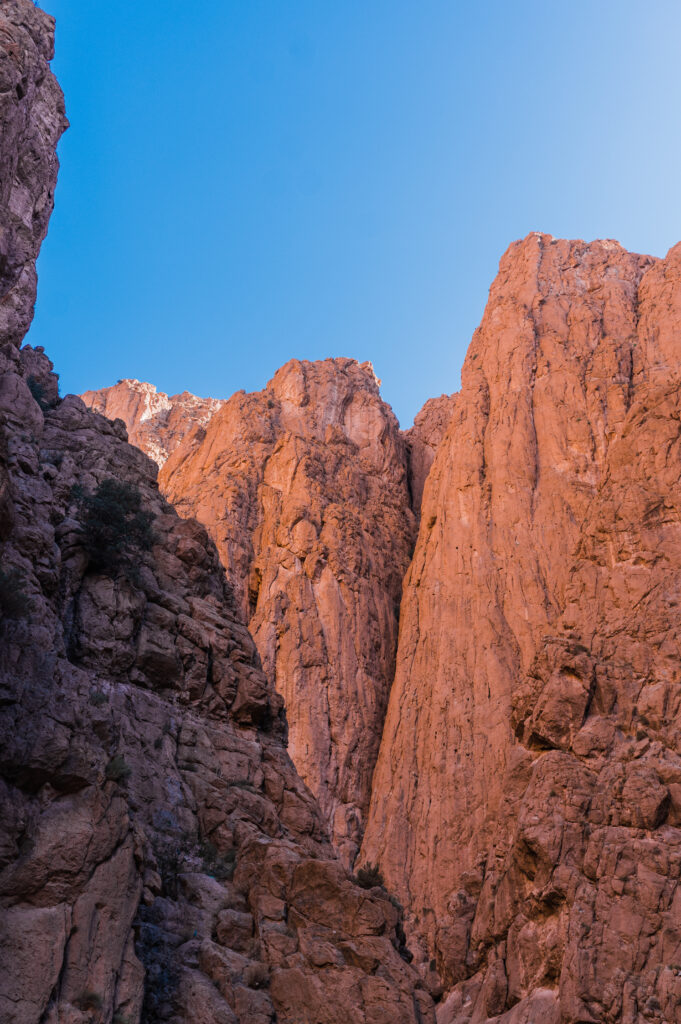
Todra Gorge felt almost meditative. Massive red cliffs, cool morning walks, mint tea by the pool, quiet moments to read and call home. G Adventures builds breathing room into the route at exactly the moments travellers need it most.
It’s something people don’t consider when looking at itineraries that are packed with once-in-a-lifetime activities.
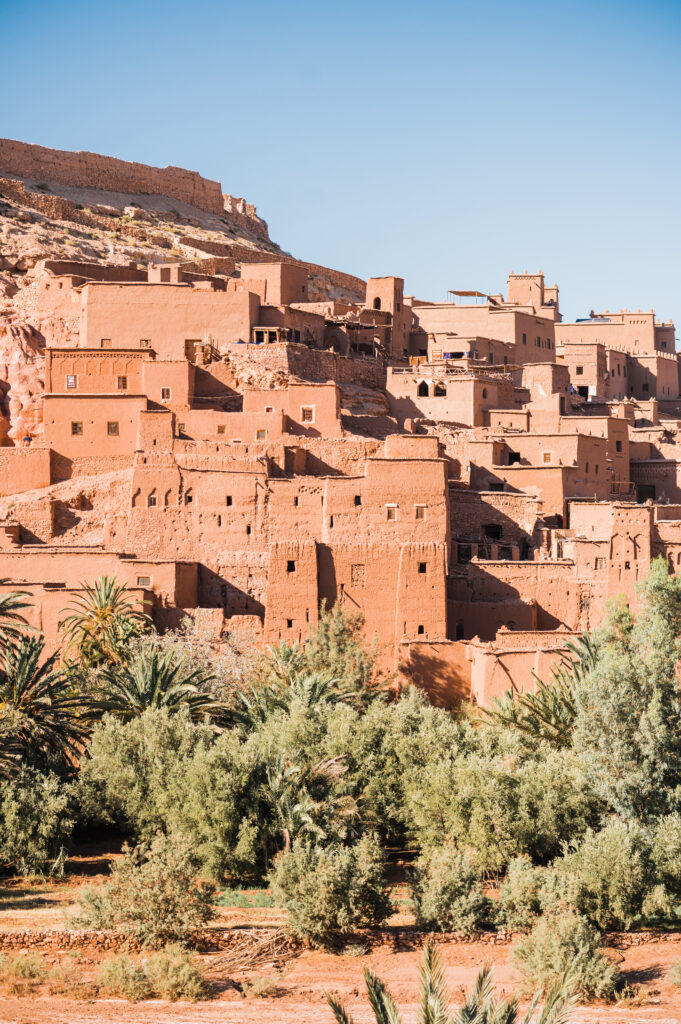
Then came Aït Benhaddou and the Atlas Mountains, where the focus shifted again from spectacle to tradition and community.
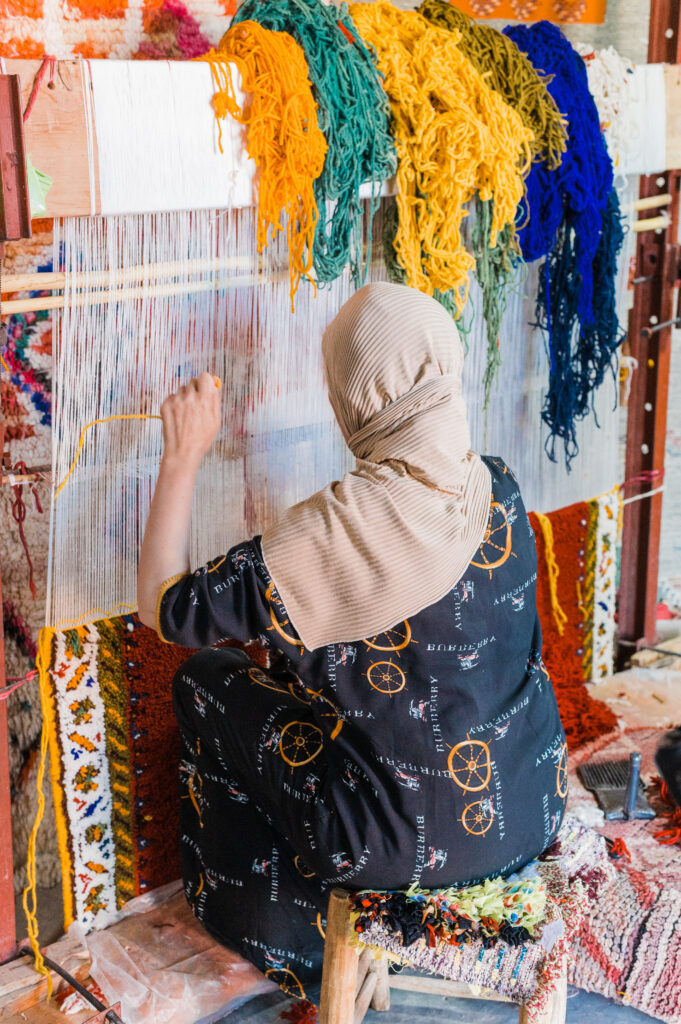
The women’s carpet cooperative was one of the most impactful experiences of the trip. Not because it was visually beautiful, though it absolutely was, but because the women explained the symbolism woven into every rug. Fertility. Protection. Marriage. Family lineage. Survival.
These were not souvenirs.
They are archives. As someone who adored textile arts and craftsmanship, I was enthralled and in awe at their skills womven into stories.
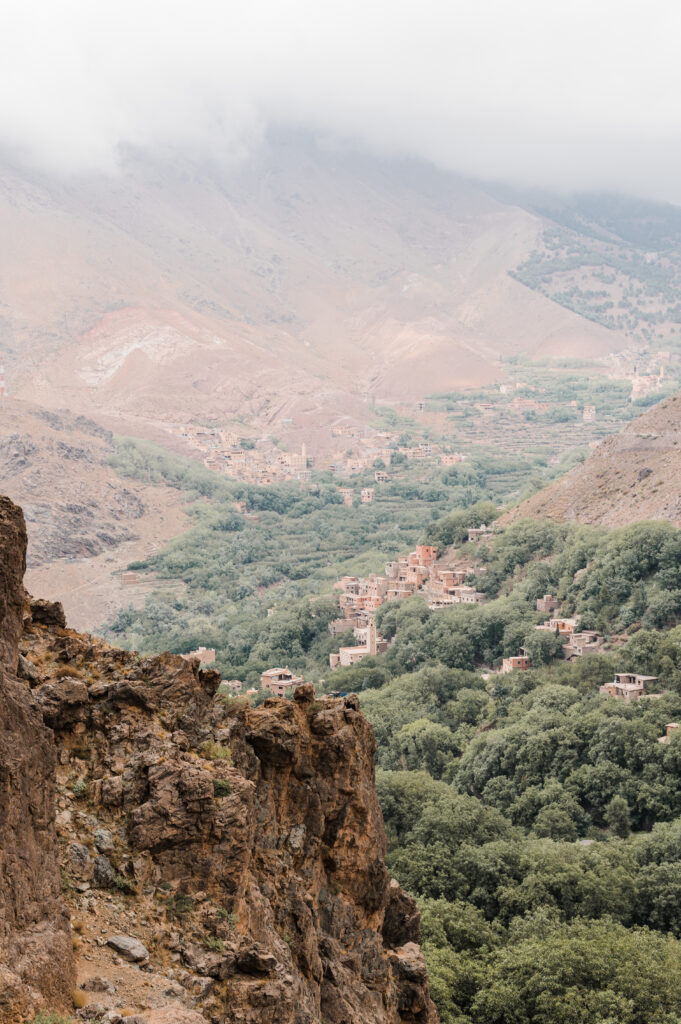
The mountain gîte stay in Imlil became another reminder that cultural immersion does not always mean comfort. There was no luxury spa waiting at the top of the mountain. We hiked through fog and steep terrain, passed donkeys carrying luggage along narrow paths, and arrived sweaty and exhausted to homemade soup, shared blankets, and one of the best sleeps of my life.
Nothing about it felt manufactured.
Essaouira → Marrakech
By the time we reached Essaouira, I understood why the itinerary places it near the end.
After the sensory intensity of the desert and mountains, the coastal city feels like a collective exhale.
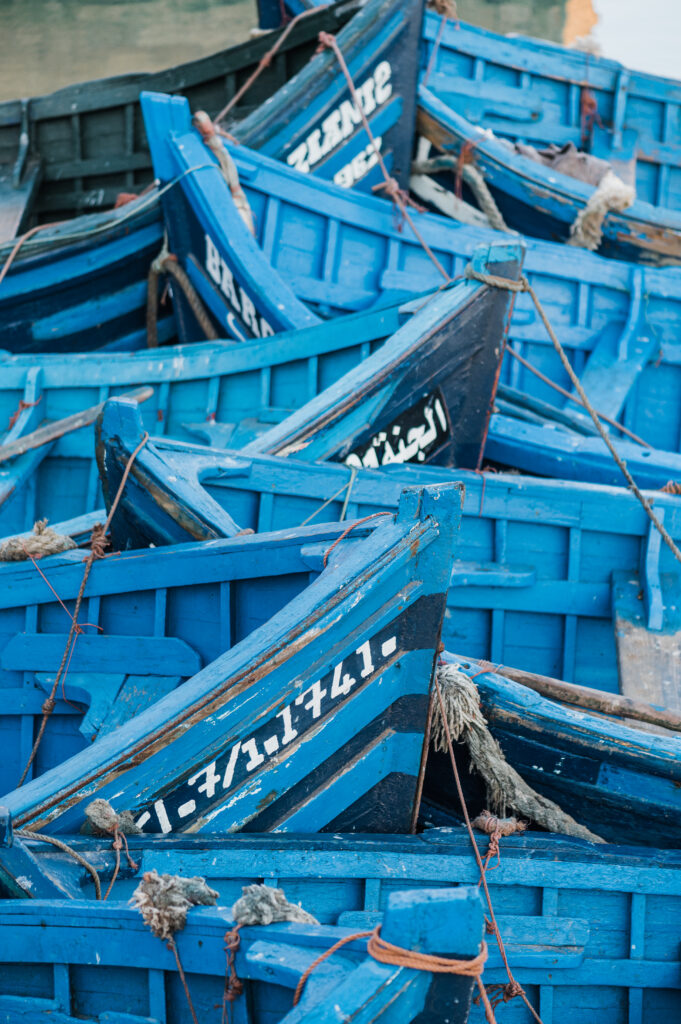
Fresh seafood grilled at the harbour.
Cats weaving between fishermen.
Slow mornings with coffee overlooking the ocean.
A hammam experience that somehow left me feeling both humbled and reborn.
Essaouira gave us space to process everything that came before it.
And then Marrakech arrives to wake you back up again.
The city is loud and intoxicating and impossible to fully absorb in only a few days. Markets spill into alleyways. Motorbikes appear out of nowhere. Music drifts through the square at night. Everywhere you look, there is movement.
By this point in the itinerary, you are ready for it. You have learned how to navigate medinas. You understand the rhythm of mint tea and bargaining and respectful photography. You know when to lean into the chaos and when to step away from it.
Even the optional sunrise hot air balloon ride felt symbolic. Floating silently above the desert outside Marrakech, watching the landscape soften beneath morning light, I realized how much this country had reshaped me in only two weeks.
Not through luxury. Not through curated perfection. Through honesty, hospitality, discomfort, generosity, and human connection.
What to Know Before You Go
- Carry cash. A lot more places than you expect are cash-only, especially in medinas, smaller towns, markets, and roadside stops. Small bills are your best friend for tips, taxis, juice stands, and quick snacks.
- Bring any medication or sanitary products you might need. Pharmacies exist, of course, but products can be harder to find than you’re used to, especially outside larger cities. Trust me on this one. Future-you does not want to be panic-searching for tampons in the Atlas Mountains.
- The medinas are overwhelming at first. Beautiful, chaotic, loud, winding, and very easy to get turned around in. Stay in smaller groups when possible, keep an eye on each other, and download offline maps before wandering too confidently into an alleyway that suddenly becomes someone’s living room.
- Some sellers are aggressive. Most are perfectly kind, but bargaining and pulling tourists into shops is part of the culture in busy areas. Stay polite, laugh things off when you can, but be firm when you need to be. “No thank you” works wonders. So does continuing to walk.
- Haggling is expected, but there’s a difference between negotiating and disrespecting someone’s work. These are often handmade goods created over weeks or months. The goal is finding a price that feels fair for everyone, not “winning” a cheap price.
- Smiles, curiosity, and basic kindness go a very long way here. Morocco felt incredibly welcoming to me overall, especially when approaching people with genuine respect instead of treating every interaction like a toursit attraction.
- Always ask before photographing someone. Especially elders, artisans, market vendors, and women. Some people will happily pose. Others will decline. Respect both answers equally.
- Wear sunscreen. Aggressively. I also highly recommend packing a lightweight linen button-up or plain white shirt for sun protection and modesty. It keeps you cooler than you’d expect and helps when visiting more conservative areas or religious sites.
- You do not need to dress ultra conservatively as a tourist, but making a small effort goes a long way. Covering shoulders or cleavage in quieter towns and villages tends to be appreciated. Respect is a two-way street.
- You will hear the call to prayer early in the morning and late at night. At first, it startled me awake. By the end of the trip, it became one of my favourite sounds in the world. Loud, haunting, beautiful, and deeply grounding once you settle into the rhythm of it.
Who This Tour Is For
It’s for travellers who care about stories as much as scenery. People who don’t mind long drives if it means watching the landscape shift from blue mountain towns to endless desert dunes in a single trip. People who are curious enough to ask questions, flexible enough to embrace a little chaos, and open enough to let a country change them a bit.
Highlights of Morocco is for photographers, food lovers, solo travellers, slightly anxious travellers, people craving adventure after heartbreak, people who have never left North America before, and people who want structure without feeling trapped inside a giant tourist bubble.
Final thoughts: Highlights of Morocco
I genuinely think this itinerary strikes one of the best balances I’ve experienced between independence and support. You get the safety net of local guides, drivers, translations, and carefully planned logistics, but you still have enough freedom to stumble into your own favourite moments. Mine ended up being things I never could have planned for:
drinking mint tea in a nomadic family’s home,
watching the sunrise hit foggy mountains in Imlil,
cats sleeping in the blue alleys of Chefchaouen,
laughing hysterically while being dragged down a Sahara dune in a headscarf.
Since coming home, I’ve had four separate friends book The Highlights of Morocco tour after seeing my trip online. Every single one of them came back completely obsessed with Morocco and raving about the experience.
It wasn’t jsut about the Instragram-worthy photos or trinkets and art they came back with either, but it was the people that made the trip.
The guides who somehow become family by the end of two weeks. The pacing. The local experiences. The feeling of being taken care of while still feeling immersed in the country itself instead of insulated from it.
That says more to me than any brochure ever could.
Morocco is intense and beautiful and complicated and generous all at once. This tour doesn’t try to sanitize any of that. It simply gives you the tools, support, and opportunities to experience it fully.
Morocco: the Licensing Library
Looking for authentic, story-driven imagery from Morocco? My Morocco licensing library includes photographs documenting medinas, desert landscapes, Amazigh culture, artisan workshops, food, architecture, coastal life, and everyday moments captured across the country for tourism boards, publications, hotels, and travel brands.
Morocco's Living Textiles
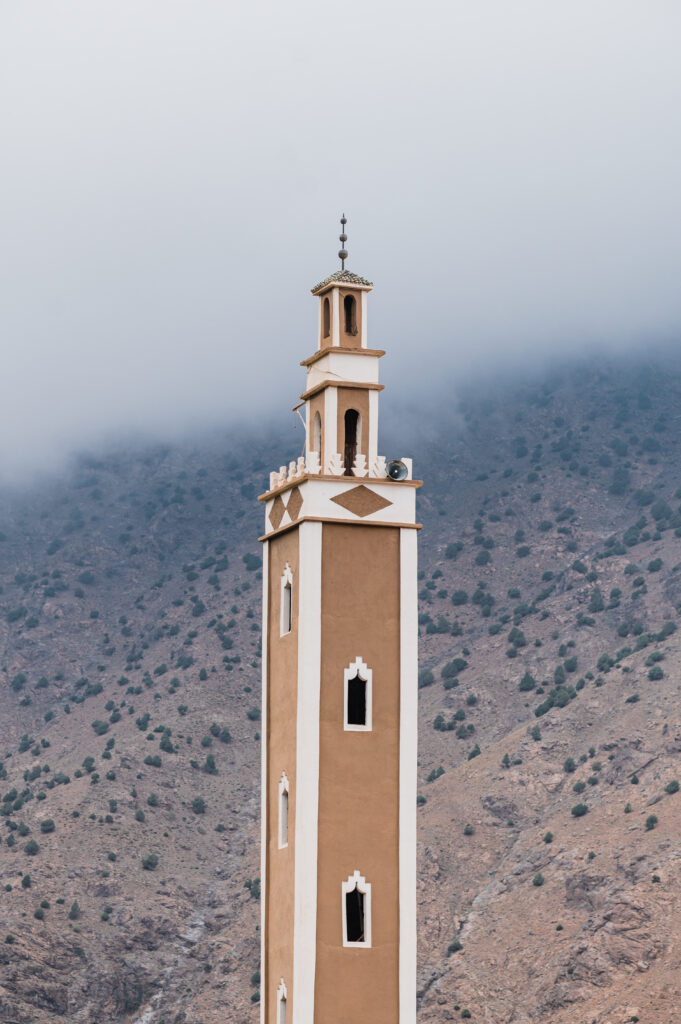
Moroccan textiles are more than décor. They are history, lineage, and storytelling woven by hand. In this feature, I explore women-led weaving cooperatives, Amazigh symbolism, natural dyeing techniques, and the generations of knowledge stitched into every rug across Morocco.
My travel diaries from Morocco
From getting hopelessly emotional in the Sahara to wandering the blue streets of Chefchaouen, drinking mint tea in Amazigh homes, and blindly following a local that I probably should not have in Casablanca, these travel diaries document my experience crossing Morocco in real time; the beautiful, chaotic, honest version beyond the highlight reel.
Hi, I'm Sophie!
I like wandering through markets before the city wakes up, watching artisans work with the kind of focus that feels like prayer, and finding the human moments that make a place unforgettable. Travel reminds me who I am, and taking photos is how I hang onto the feelings I don’t want to forget.