Where the Sea Teaches Stillness
A Day in Guna Yala’s Island World
Some places are destinations you visit and never think about again. Guna Yala isn’t one of them.
It’s a world. A protected one. A deliberate one. A constellation of islands cared for by the Indigenous Guna people — tiny circles of land drifting in turquoise water, each one held in a balance outsiders don’t fully see.
This was a full day on the islands, but it changed the way I think about travel forever.
The Journey You Don’t Forget — On Purpose
Getting to Guna Yala is not glamorous.
You leave Panama City before dawn and enter a road that feels more like a test than a commute: steep climbs, violent descents, switchbacks that coil like snakes through thick jungle. It’s rough. Uncomfortable. Not something you’d film for a “travel aesthetic” Reel.
But here’s the important thing: the difficulty is intentional.
The Guna have spent decades protecting their territory from exploitation — tourism included. That road filters out the careless, the impatient, the ones looking for a cheap beach day.
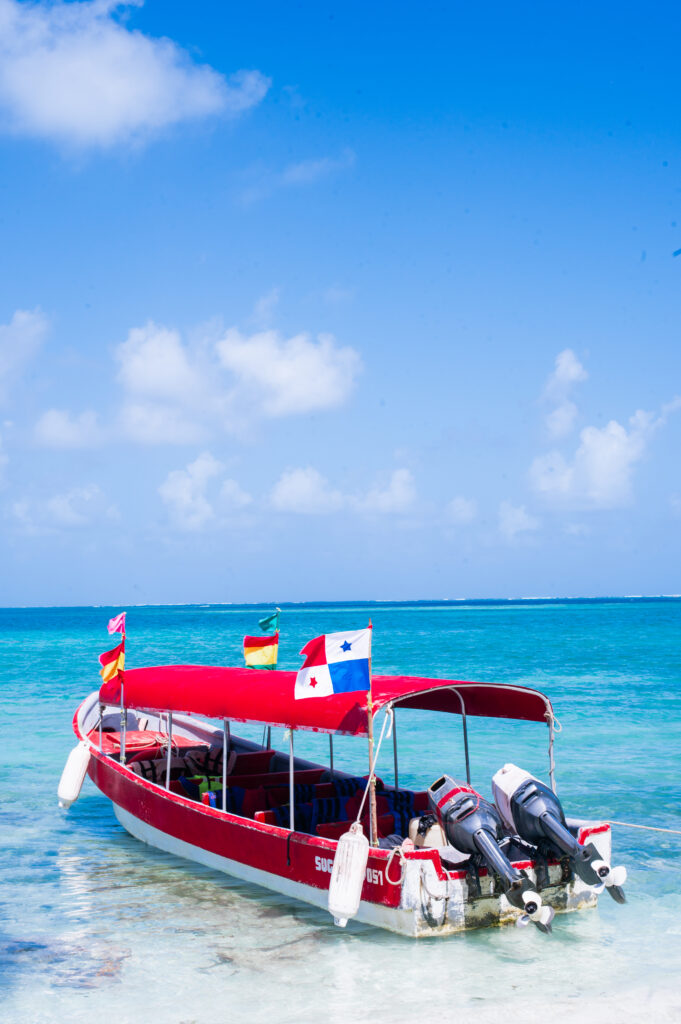
By the time you reach the small port with wooden boats, humid air, warm greetings, you understand something quietly profound: This land is not yours to consume. You are a guest. Behave like one.
The Islands That Feel Like Memories Waiting for You
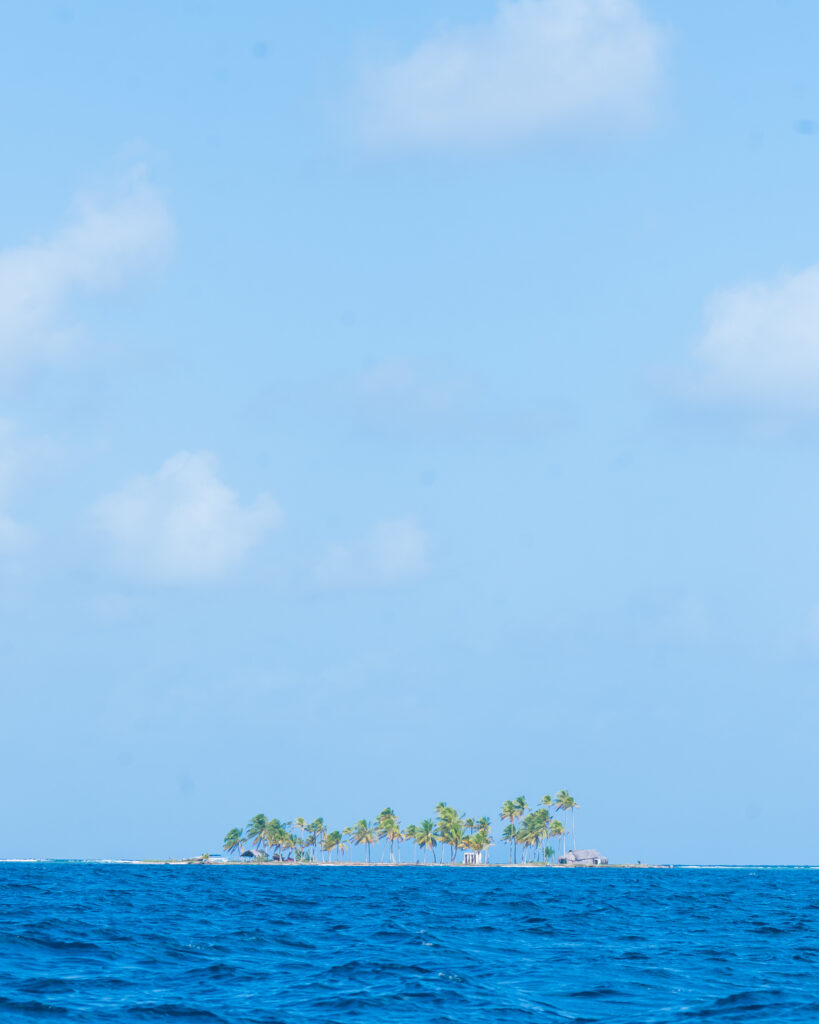
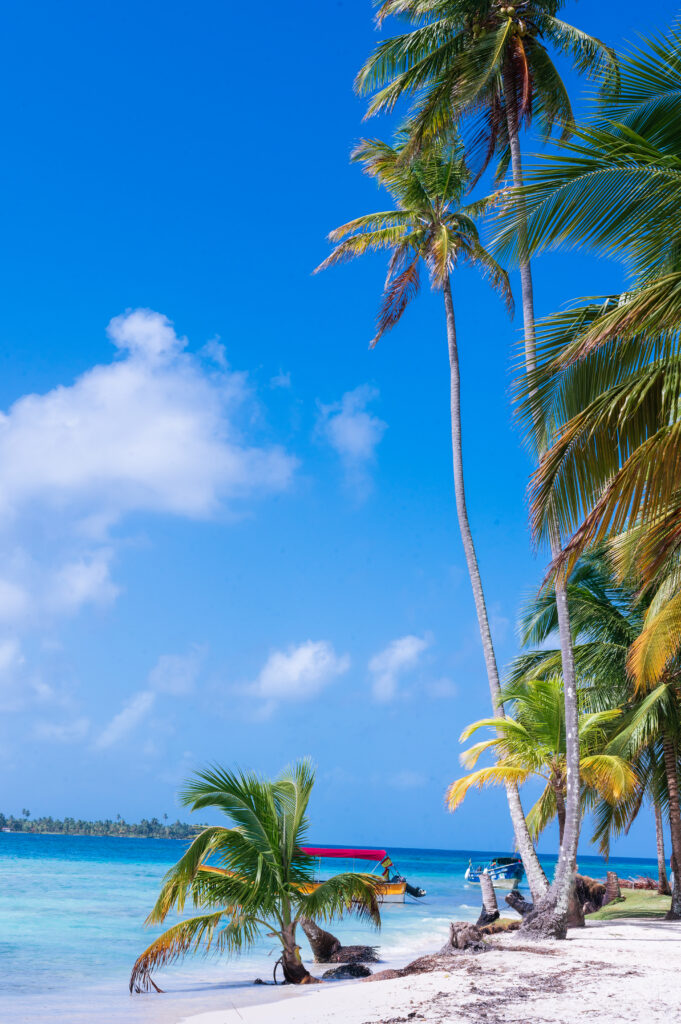
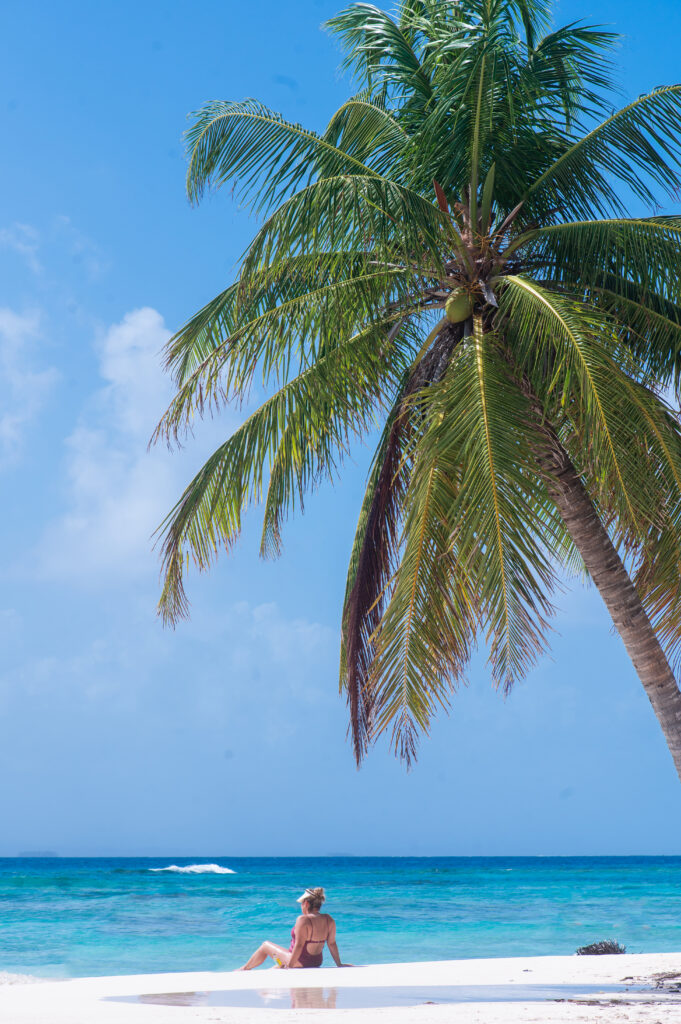
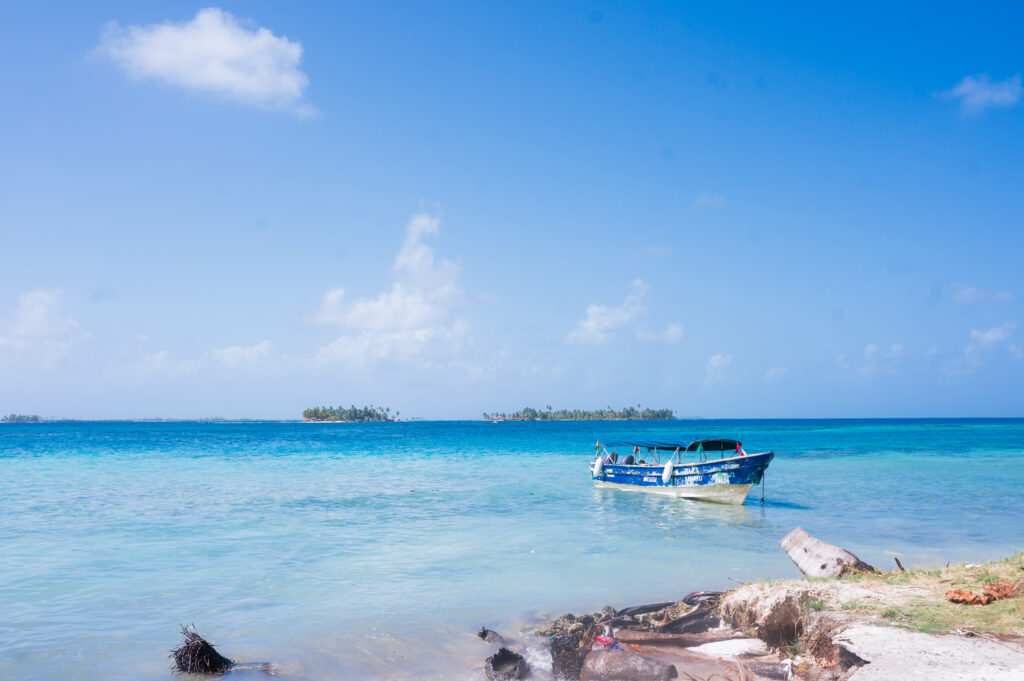
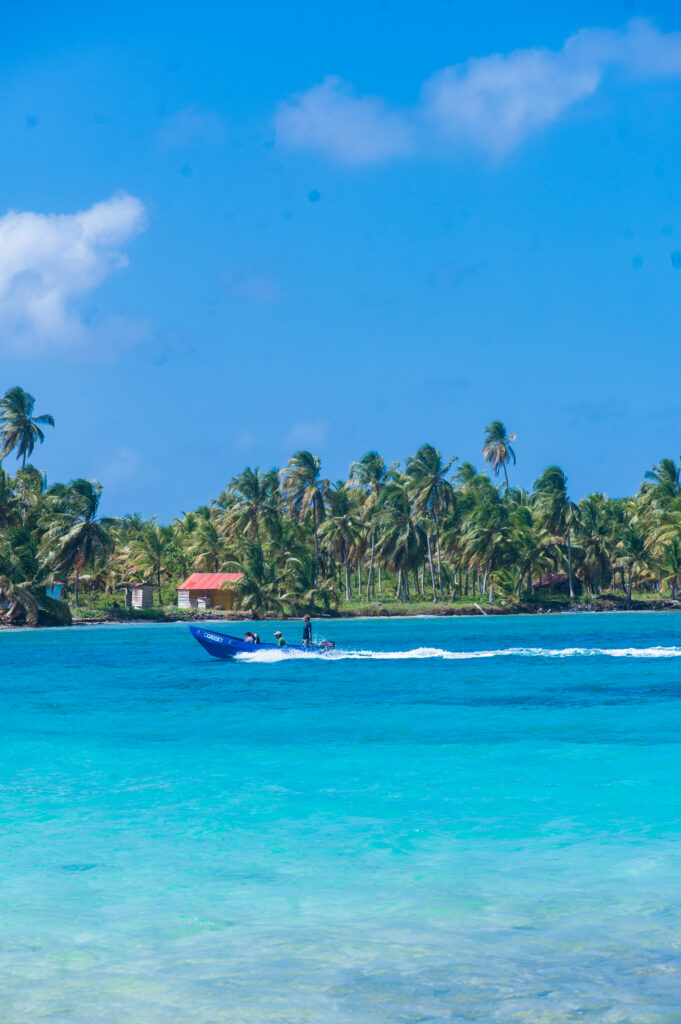
Once the boat pulls away from shore, the sea turns into a mirror. Sky stitched into water, water stitched into sky, everything blurring until you forget where one ends.
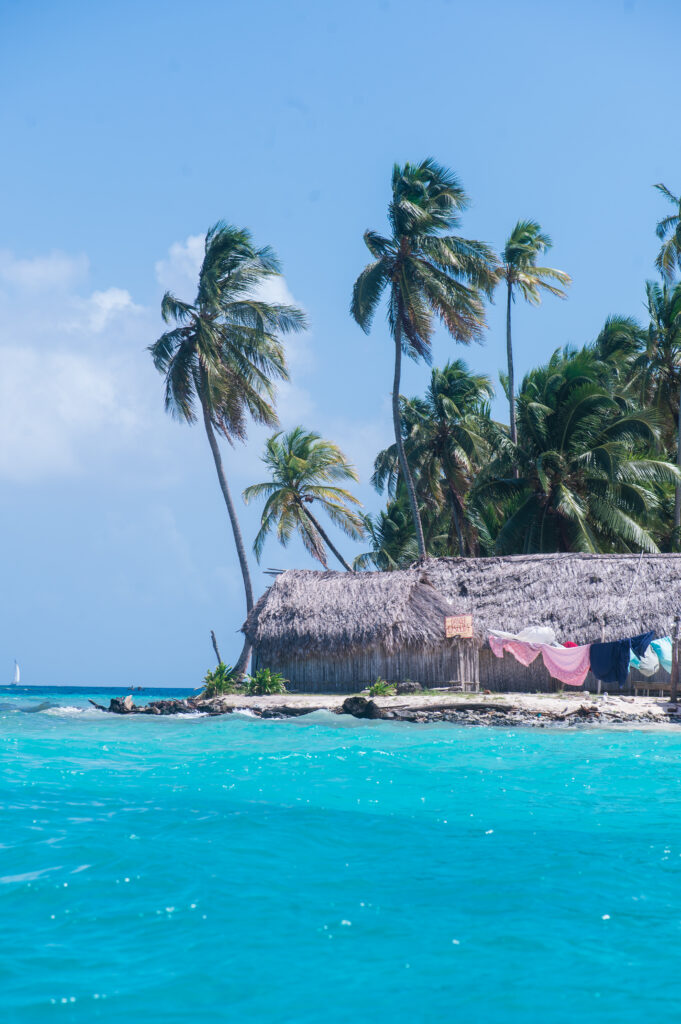
The islands appear as soft interruptions: a cluster of palms, a ring of white sand, a few huts, children splashing near their boats, women selling molas bright enough to outshine the sunlight.
Nothing here is loud. Nothing is curated. Nothing is performed.
Guna Yala feels like the kind of place you remember even before you arrive.
We stopped at islands that each carried their own identity — one ringed with hammocks, one buzzing with kids beachcombing through shells, one that felt like a postcard someone forgot to print.
No resorts. No loud speakers. No “discovered paradise” narrative. Just water, wind, salt, and people who know exactly who they are.
Small Conversations, Big Humanity
The Guna community is reserved. nNot closed, just grounded. Their culture is private, shaped by autonomy and centuries of resistance.
But still, the day opened gently:
• a boat captain laughing at our hair whipping in the wind
• women explaining how molas are stitched, one colourful layer at a time
• fishermen showing the morning’s catch
• elders watching the sea the way some people watch old friends
These weren’t staged encounters. They were human moments, tiny bridges made of smiles, gestures, and the kind of curiosity that travels well across languages.
We were guests in a world that owes nothing to tourism.
A Destination Protected by the People Who Love It Most
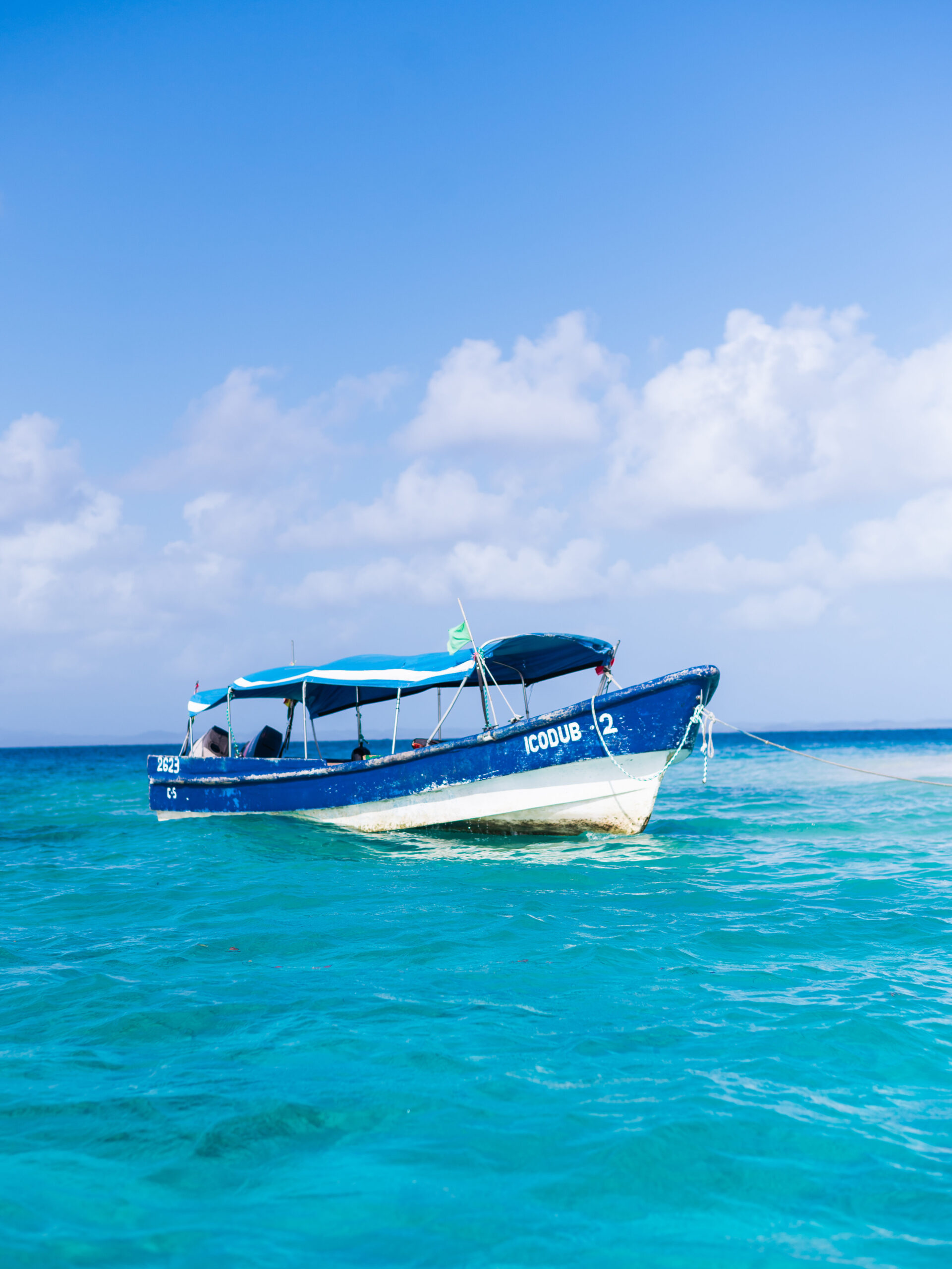
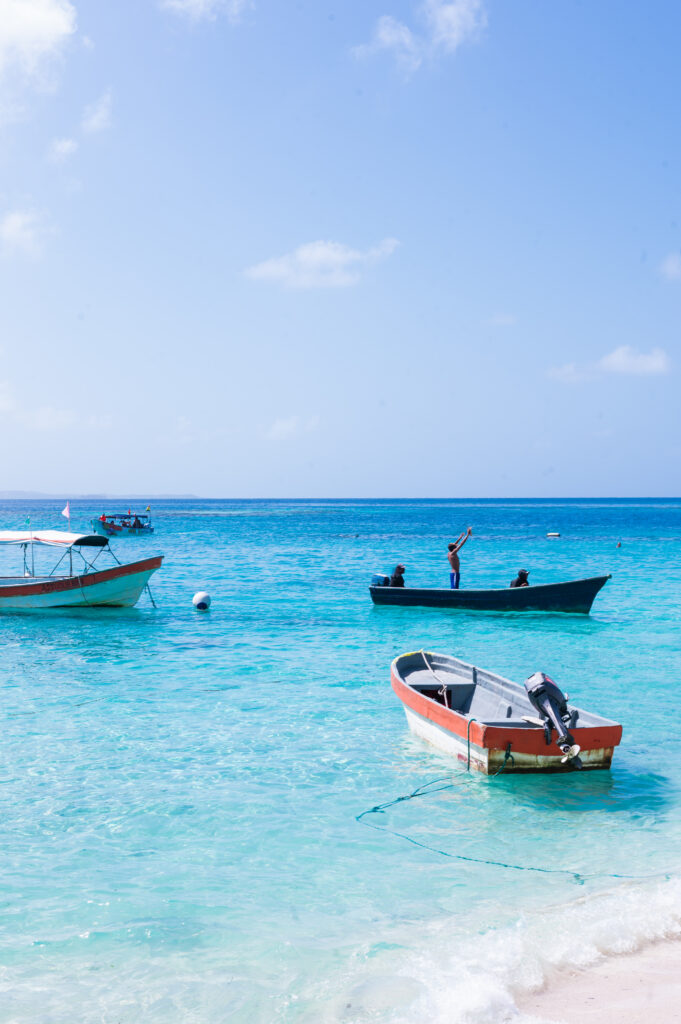
The boats in Guna Yala are not designed for comfort. They’re designed for honesty.
They skim over the water fast and low, waves slapping the hull, salt hitting your face with zero apology. We laughed so hard my ribs hurt — hair tangled, sunscreen smearing, the ocean reminding us that adventure isn’t always cinematic.
Sometimes adventure is simply being small. Being sun-warmed. Being windblown and alive in a place that doesn’t bend itself to please you.
The Guna people fought — fiercely — for the right to protect their territory.
They shape tourism on their terms:
• low-impact
• community-led
• culturally respectful
• environmentally grounded
This is why the islands still look untouched. Why the sea stays clear. Why the culture remains intact.
Mass tourism never got the chance to take root here. The Guna didn’t let it, and because of that, travellers get something infinitely rarer: a place that is still itself.
Practical Notes for Travellers
If his is a full-day experience. Nothing more. Nothing less. And the land expects you to show up prepared.
Bring:
• sunscreen (real sunscreen, not vibes)
• bug spray
• lots of snacks — the included meals are simple
• motion sickness meds (the road + the boat = chaos for sensitive stomachs)
• water, drinks, anything you want cold — the boats have coolers
• cash for molas and small purchases
• respect — don’t photograph without permission
Buy your food and drinks the night before at a grocery store. There are no shops on the islands, no convenience stores, no backups.
If you’re prone to motion sickness, take something before you get in the car. Trust me.
My Takeaways
Guna Yala is a model of how Indigenous-led tourism protects land, culture, and identity while offering travellers a deeply meaningful experience. Its isolation isn’t a flaw — it’s a form of preservation. This case study highlights how community-driven standards, controlled access, and cultural autonomy create sustainable tourism without diluting heritage